
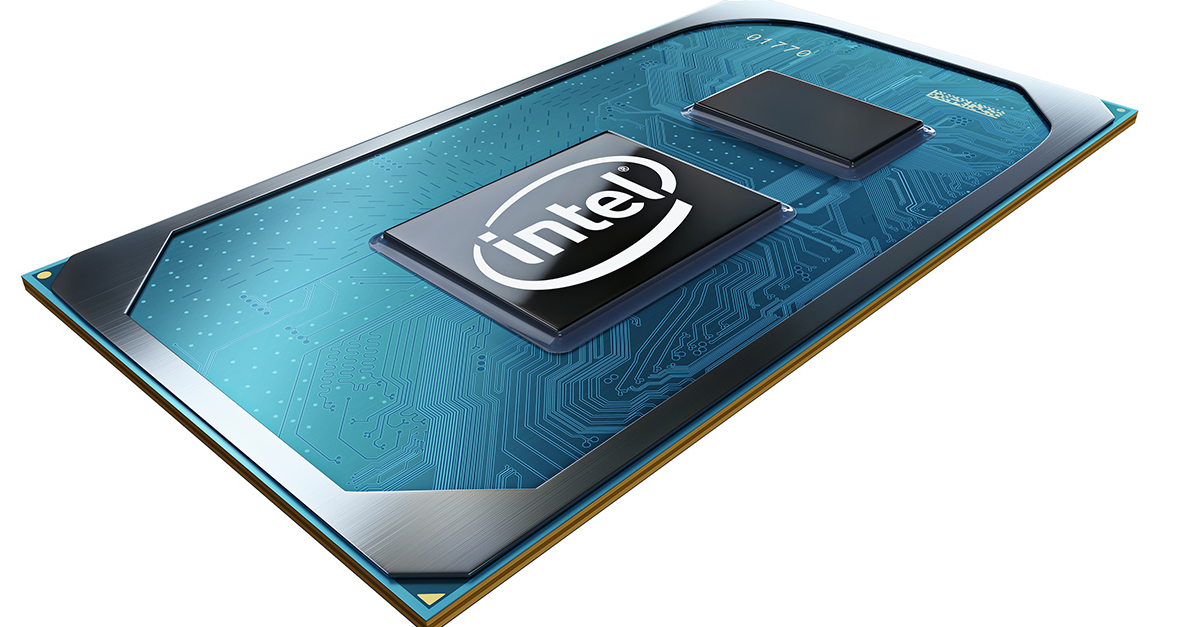
Breakthroughs in artificial intelligence (AI) that pave the way for autonomous driving. A new era of mobile computing innovation. The future of immersive sports and entertainment. Intel demonstrated all of these and more at CES 2020, showcasing how the company is infusing intelligence across the cloud, network, edge and PC, and driving positive impact for people, business and society.
Intel CEO Bob Swan kicked off today’s news conference by sharing updates from its Mobileye business, including a demonstration of its self-driving robocar navigating traffic in a natural manner. The drive demonstrated Mobileye’s unique and innovative approach to deliver safer mobility for all with a combination of artificial intelligence, computer vision, the regulatory science model of RSS and true redundancy through independent sensing systems.
Swan also highlighted Intel’s work with the American Red Cross and its Missing Maps project to improve disaster preparedness. Using integrated AI acceleration on 2nd Generation Intel Xeon Scalable processors, Intel is helping the American Red Cross and its Missing Maps project to build highly accurate maps with bridges and roads for remote regions of the world, which helps emergency responders in the event of a disaster.
“At Intel, our ambition is to help customers make the most of technology inflections like AI, 5G and the intelligent edge so that together we can enrich lives and shape the world for decades to come. As we highlighted today, our drive to infuse intelligence into every aspect of computing can have positive impact at unprecedented scale,” Swan said.
Mobile computing was an area of emphasis, as Intel made announcements spanning new products, partnerships and exciting platform-level innovations that will transform the way people focus, create and engage. Intel Executive Vice President Gregory Bryant announced the following:
The data centre is the force that delivers intelligence to businesses around the world and Intel Xeon Scalable processors continue to be the foundation of Intel's data centre vision. Intel Executive Vice President Navin Shenoy announced that 3rd Generation Intel Xeon Scalable processors, coming in the first half of 2020, will include new Intel DL Boost extensions for built-in AI training acceleration, providing up to a 60% increase in training performance over the previous family.
Shenoy highlighted several ways Intel is threading intelligence into data platforms across cloud, network and edge and how this is transforming sports and entertainment:


