Geekzone: technology news, blogs, forums
Guest
Welcome Guest.
You haven't logged in yet. If you don't have an account you can register now.


View this topic in a long page with up to 500 replies per page Create new topic
1 | 2 | 3
Scott3
4199 posts

Uber Geek
+1 received by user: 3024

Trusted
Lifetime subscriber

  #2861837 4-Feb-2022 17:19
Send private message

@KiwiME


Good to know that there some factory fitted magnetic filtering provision.


What intervals do you recommend for subsequent reduction oil changes.


Was expecting 70W. But dealer used 75W90.  Assuming this is close enough?


KiwiME

217 posts

Master Geek
+1 received by user: 80


  #2861846 4-Feb-2022 17:52
Send private message

Scott3:

@KiwiME


… Was expecting 70W. But dealer used 75W90.  Assuming this is close enough?

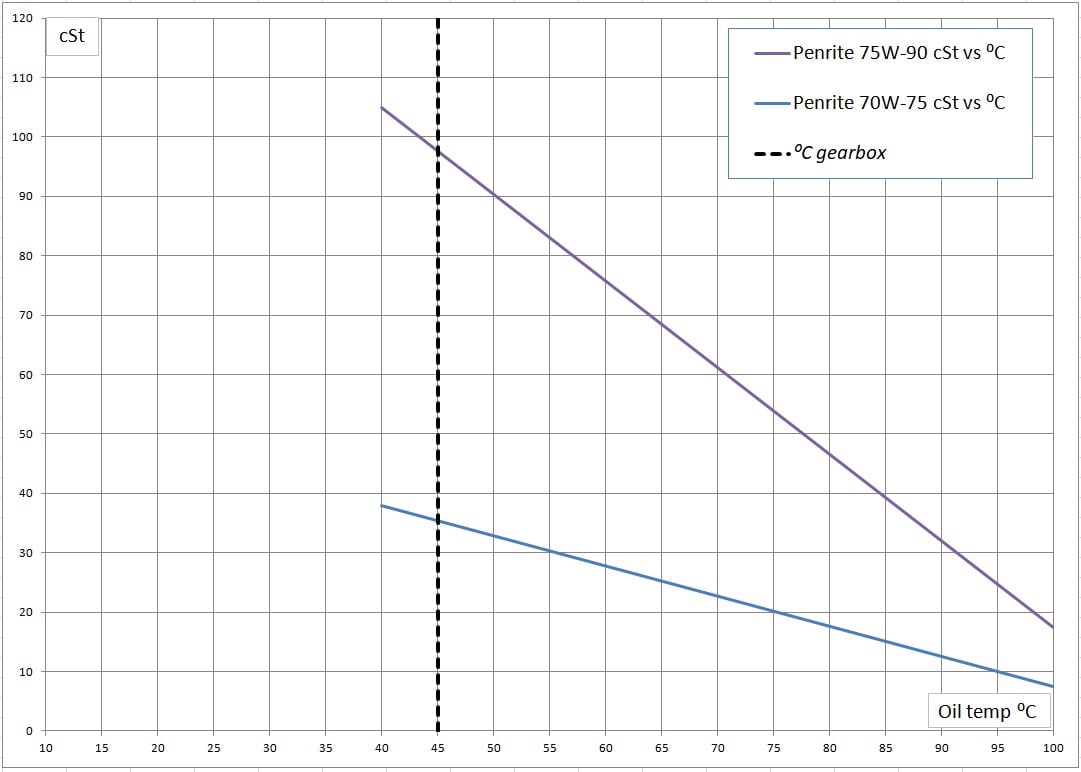
Unfortunately you’ll have to get them to redo the job at their expense. That oil is far thicker than 70W and not compliant to the call-out. If they don’t have the correct oil (Hyundai DCT 70W) they could use Penrite 70W-75 gear oil from supercheap or Repco.

It happened to another owner in Canada and to be fair that is the normal fill for most FWD cars.

I won’t know the change interval for some months yet but will update that here.

Scott3
4199 posts

Uber Geek
+1 received by user: 3024

Trusted
Lifetime subscriber

  #2861885 4-Feb-2022 22:30
Send private message

Thanks for the info. Will have it taken back...


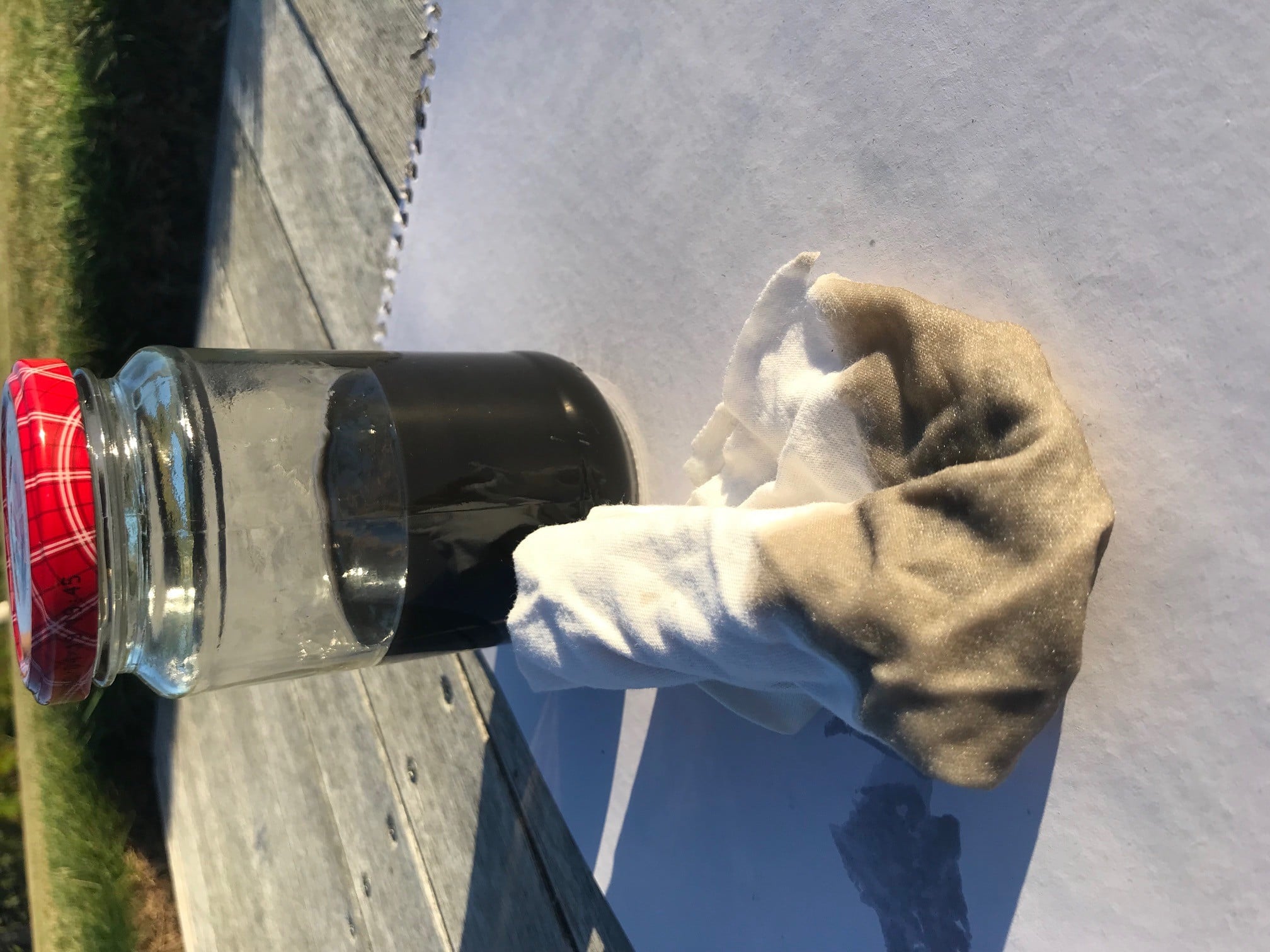
Here is an image of the oil on a rag. Not quite as black as the oil appears in the jar.


KiwiME

217 posts

Master Geek
+1 received by user: 80


  #2861910 5-Feb-2022 02:35
Send private message

The Kona EV gearbox operates at around 45°C and at that temp the 75W-90 is almost three times thicker than 70W-75.  I'm not sure if there is downside to the thicker oil other than poor economy but it may be specified because the pinion runs at up to 10,000 RPM. 


Some Canadian owners have complained of a gear whine when cold in -30°C weather and I'm pretty sure that's due to excessively high oil viscosity. The "pour point" is around -45C, so at -30 it's like molasses.


The blackness in your oil is typical of the vast majority who have reported back, around 14 now globally.  We did have one Niro owner with normal coloured oil at 160,000 km but the reason remains a complete mystery.  The reason for the blackness is still not 100% proven but my next oil change at about mid-2022 will tell me if this is an ongoing problem, or the addition of the magnet has solved it.


There was even a small hint as of yesterday from the Ioniq owner with the failed gearbox that this could be an electrical discharge issue, but evidence either way is thin on the ground. The Nissan Leaf has a nearly identical gearbox design but curiously adds some sort of grounding brush on the intermediate shaft. To be continued ...


KiwiME

217 posts

Master Geek
+1 received by user: 80


  #2872071 21-Feb-2022 14:50
Send private message

KiwiME:


On that note an Ioniq owner somewhere in Europe posted some interior photos of the gearbox a few days ago and it seems that there is a ceramic magnet secured inside.


However, the black oil is evidence of crushed steel and that in turn is evidence that the factory magnet is insufficiently large or strong enough to hold the required particle loading, so the addition of a magnetic drain plug is still just as beneficial.


Just to update this post late Feb 2022, subsequent information from the above Ioniq owner in Poland indicates that the noisy bearings in the above (classic) Ioniq gear reducer left no mentionable ferrous debris on the internal magnet.


The concern now is that the bearing damage was due to spark erosion from a voltage potential applied to the reducer from the motor. I haven't been able to get any more information out of the owner regarding a bearing teardown where proof would be found.


The motor output shaft does have a circular grounding brush but if that were compromised by even a small amount of oil or grease there could be an issue as there is no apparent backup ground. The Nissan Leaf, a nearly identical design, has a grounding brush on the intermediate shaft presumably as that shaft is essentially floating on oil films during operation. It's not clear if there is also a brush on the Leaf motor output shaft (there must be) and my questions about this on a major Leaf forum have so-far gone unanswered.  I've never seen black oil come out of a Leaf gearbox from the several changes posted on YouTube. The two Leaf oil analyses I have are similarly much better than the three I have for the Kona/Niro but all show similar contamination elements: iron, aluminium and silicon.


So, at this stage my suggestion for those owners concerned is to change your oil more frequently but there is no need to add a magnetic drain plug. I'll be doing mine once every 6 months to see how it's going (and because I have a lot of spare oil) and that will give me an idea if the blackening is a persistent issue or just a result of break-in. I'd suggest once every 2 years is more than enough for anyone who wishes to be conservative, given that the warranty is only 3 years on the Kona and any failures past that will rely on the CGA backing you up.  We don't see heaps of gearbox failures in the global forums but 14 out of 15 have had black oil on the first change.


wratterus
1687 posts

Uber Geek
+1 received by user: 678


  #2872093 21-Feb-2022 15:17
Send private message

Great info here @kiwime thanks for your efforts documenting this. 


Want to support Geekzone and browse the site without the ads? Subscribe to Geekzone now (monthly, annual and lifetime options).
KiwiME

217 posts

Master Geek
+1 received by user: 80


  #2926086 13-Jun-2022 14:41
Send private message

Just to bring this thread up to date as of June 2022, there has been a flurry of activity recently from global Kona EV owners that has lead to a better understanding of the issue. As 6 months has elapsed since the issue first was raised, some Kona owners who took mitigating steps last year have been reporting the results. Additionally, a couple of attentive new car owners carried out oil changes at under 1,000 km.

1. There is strong if not conclusive evidence that the factory's internal non-serviceable gearbox magnet is in fact non-magnetic.

2. The result is that ferromagnetic (steel) wear particles normally shed by gear meshing are staying in circulation rather than being sequestered as intended.

3. As particles are crushed down to dust by unwary precision ball and roller bearings in addition to gears the particles turn black and ferromagnetic attraction is lost.

4. Because 100% of approx. 20 first time oil changes reported worldwide came out black it's highly probable that the defective magnet problem applies to all Kona EVs to date.

5. Adding an aftermarket magnetic plug and renewing the oil stops the problem from continuing by two accounts so far. We have only vetted one plug brand and model to date.

6. The (US agency) NHTSA posted a TSB from Hyundai this month on troubleshooting a "motor rumble" but from the text it doesn't appear that they connect this with the gear oil. The reason it's posted by NHTSA is certainly due to reaching a threshold number of consumer complaints about the tapping noise. I'll stress that we don't have evidence that the dirty oil leads to the tapping or rumble noise but it would be no surprise if it did and there is a logical chain of events that could explain it.

7. The Niro and classic Ioniq have the same gearbox (with ratio variations) are likely to be similarly affected but I haven't stayed too much up to date with those owners. I'll note regarding the thread title that the Soul EV gearbox is a different design and so it's unknown if that's similarly-affected.

8. For all owners of Kona, Niro and classic Ioniq it would be to your advantage to carry out the actions in line 5. This is some evidence that the car does run quieter with clean oil. If you're buying a new Kona and it has less than 100 km on it you can skip the oil change and fit the magnetic plug to the filler hole as not to disturb the oil. Anything further and the oil becomes too far polluted.


9. The latest oil change was done on an Australian Kona at only 142 km this month, so the problem has appeared on a late example.


Parts needed:


Oil: 1.0 litre: Hyundai 70W DCT, Redline MT-LV, or above freezing areas: Penrite Pro Gear 70W-75 GL4. Do not use 75W-85, 75W-90 or any GL5.


Magnetic drain plug: 1 reqd, search Amazon for "Votex - M18X1.5MM Stainless Steel Engine Magnetic Oil Drain Plug with Neodymium Magnet".


RobDickinson
1526 posts

Uber Geek
+1 received by user: 513


  #2926109 13-Jun-2022 15:00
Send private message

sigh :/


KiwiME

217 posts

Master Geek
+1 received by user: 80


  #2938720 6-Jul-2022 10:09
Send private message

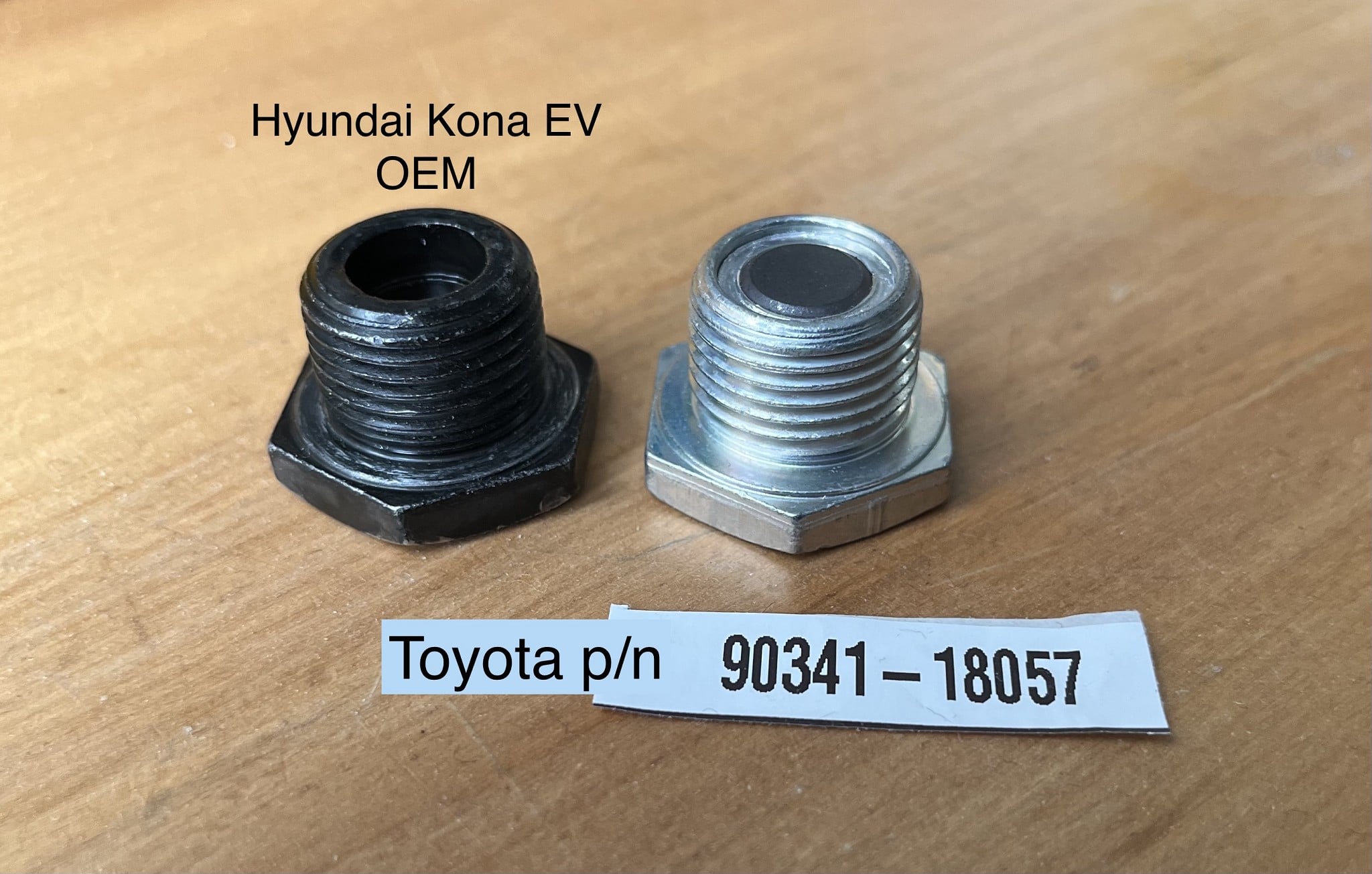
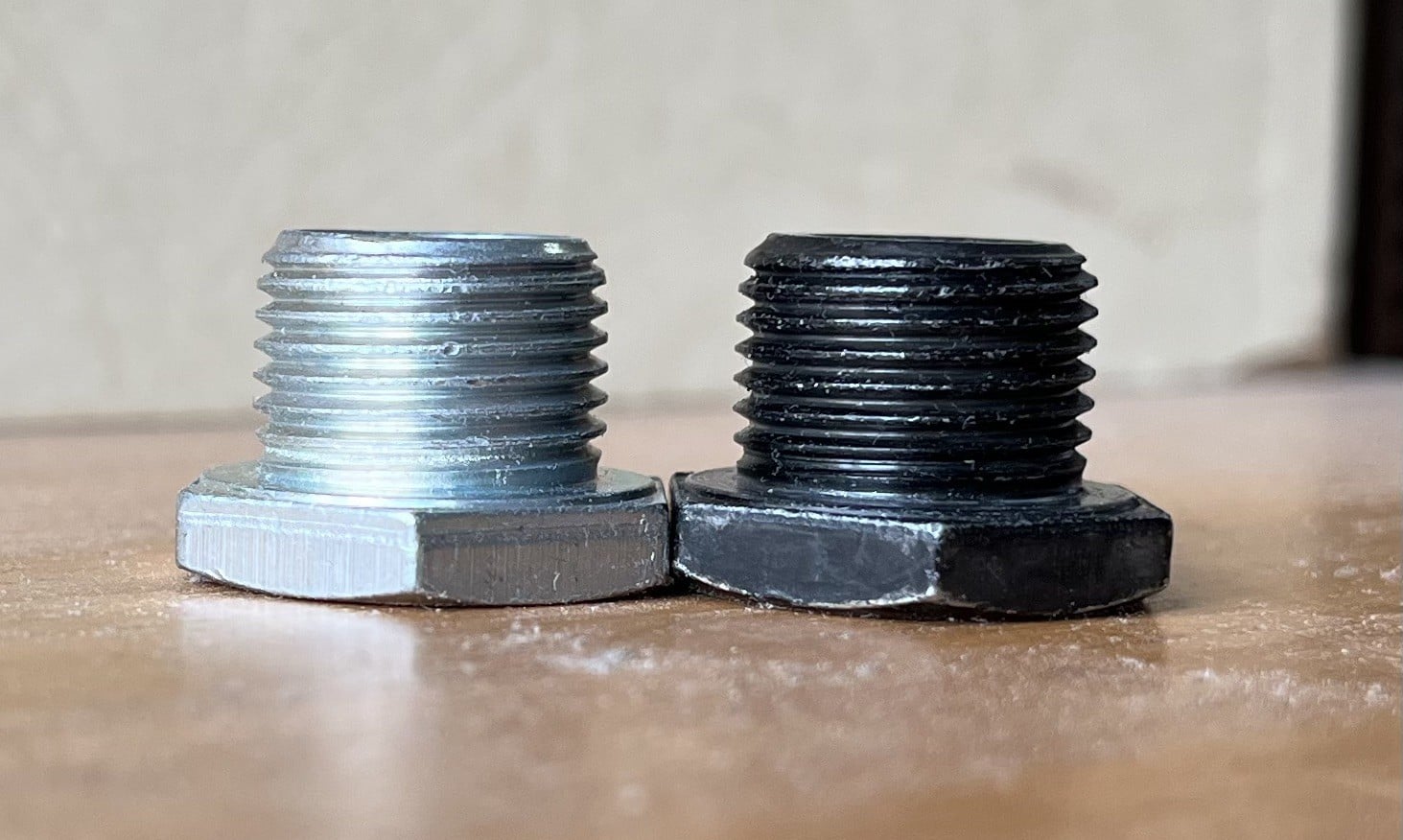
An alternative magnetic plug has been identified which could be more palatable for Kona, Niro and (classic) Ioniq EV owners who rely on dealers for servicing. It's a screw-in replacement, nothing different about it.


It's a Toyota part, readily available in NZ and looks nearly identical to the stock plug. I paid $50 for one in Hastings, crazy expensive for what it is but the American-made Votex costs about the same after shipping.


I'm also more comfortable with the crimped-in magnet rather than it being glued in, even though it's the weaker ceramic type.


KiwiME

217 posts

Master Geek
+1 received by user: 80


  #2955943 18-Aug-2022 11:00
Send private message

I've been working on this Kona/Niro dirty oil issue casually for about 10 months and will be bringing it to a conclusion with this post as I've beat it to death long enough.  Here's the TL;DR of the current understanding:


1) There has been a TSB issued in the US pertaining to a Kona "motor rumble" that I can't say is definitely caused by the lack of ferrous particle sequestration. But owners should be aware of it.


2) I did some bench testing on three magnetic plug solutions (mentioned in previous posts) and concluded that all are effective.


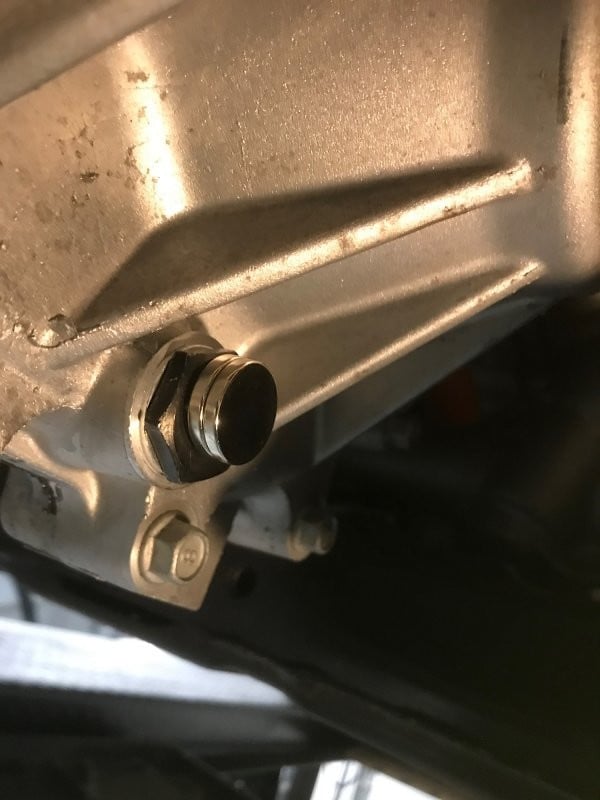
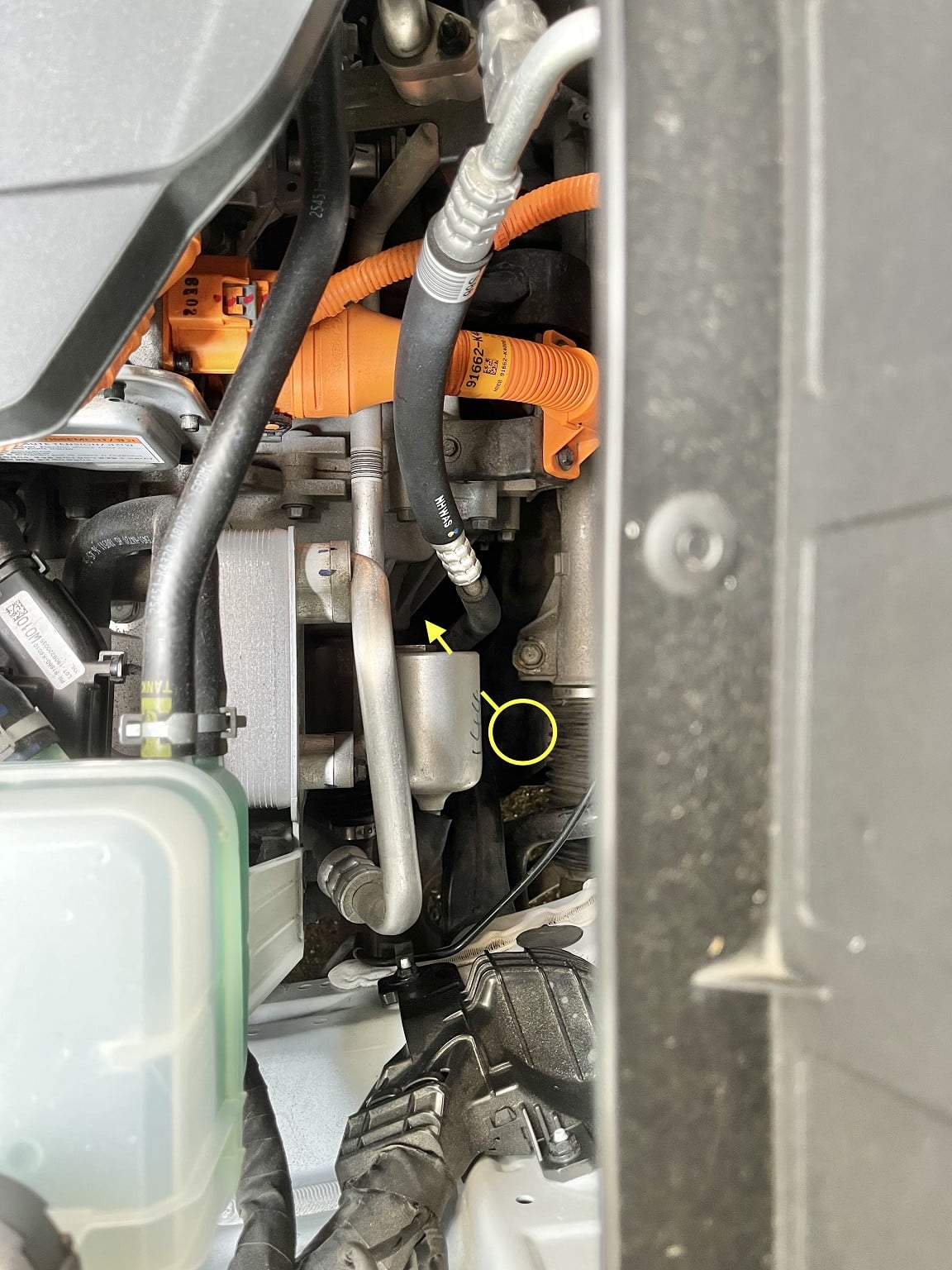
3) Based on that, the good news is that any new Kona or Niro owner can easily deal with this themselves immediately after vehicle delivery by purchasing a packet of magnets from Mitre10, reaching under the bonnet and placing two of those strong magnets on top of the filler plug. if done at under 100 km (roughly) you won't need to worry about getting an early oil change. It's always helpful adding this later as well but I'd strongly advise getting an oil change at that time.


This photo actually shows the drain plug but it looks identical to the filler. The magnets will stay in place themselves.


Reach in where the arrow indicates, locate the filler plug and carefully place the magnets on the top. Try to avoid them snapping as they are somewhat fragile. Also, be aware that these magnets are often fatal if swallowed by children so treat accordingly.


KiwiME

217 posts

Master Geek
+1 received by user: 80


  #2991841 4-Nov-2022 12:24
Send private message

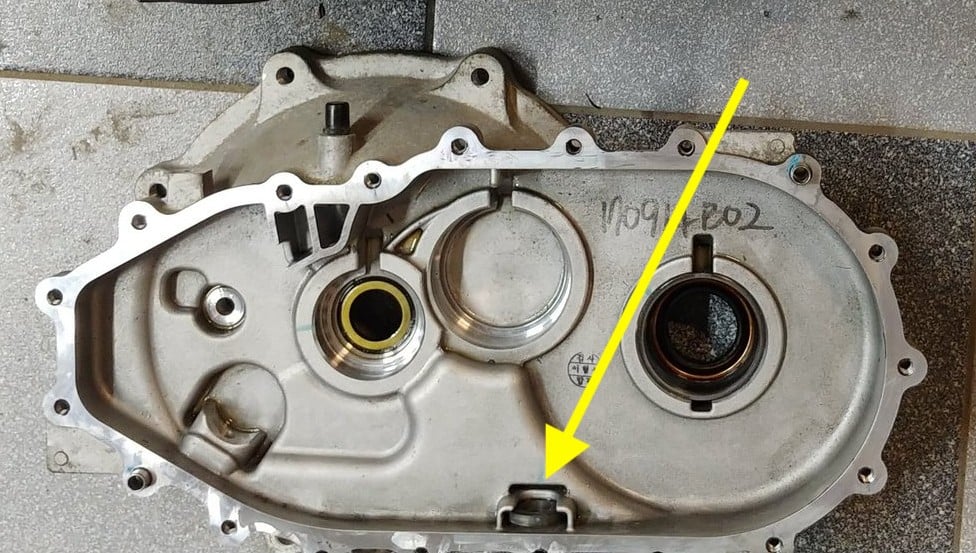
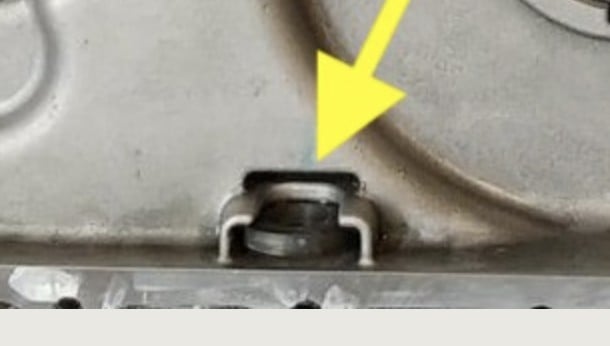
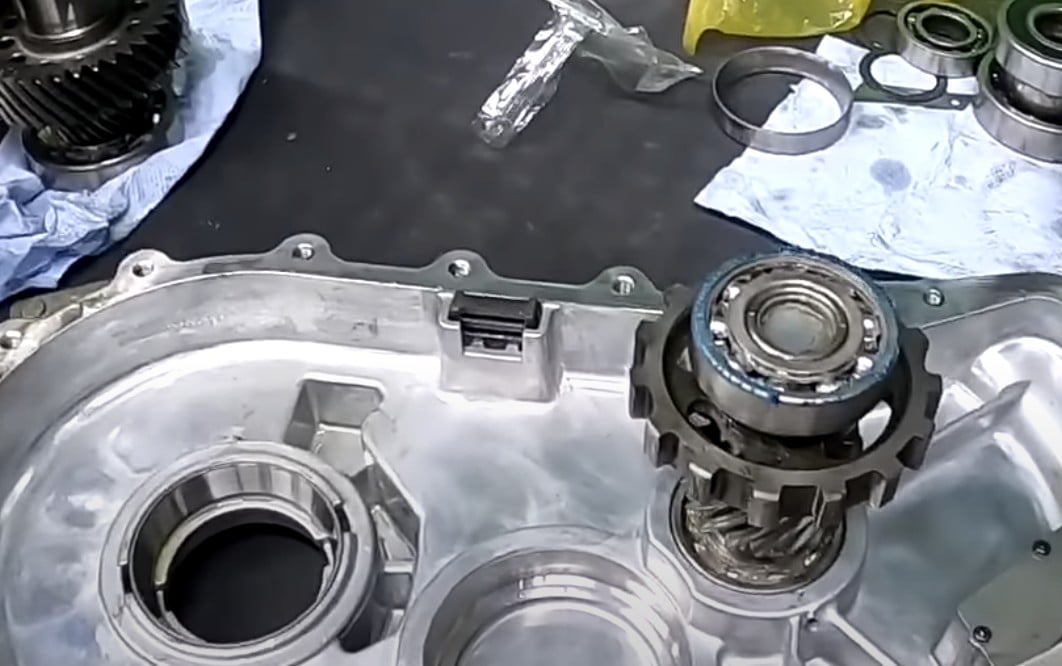
Last week I changed the gear oil in my 4-year old Kona EV at 24,000 km for the third time.  It had only been in place for 4,000 km.  Because it came out black with a hint of sparklies yet again, I decided to investigate a concern that has been worrying me for some months, that the OEM internal magnet is rattling and spinning within the pocket cast into the gearbox housing. It's placed directly under where oil streams off the final drive gear, not an ideal place to leave a loose item. I'll note that the Nissan Leaf magnets mounted to both fill and drain plugs are held rigidly in place as they should be.


In the photo above you can see the pocket I'm referring to. The disk magnet is retained loosely in the pocket by a "nib" cast into the opposite side of the housing.  As a result of that geometry an asymmetric portion of the magnet's top surface is open to the oil stream and it's inevitable that it will spin and jiggle around.


My initial plan was to attempt to detect the motion while driving using a Hall sensor. The first surprise was that the magnet was in a slightly different location (1 cm ->) than the photo above which is from an Ioniq, the outgoing version.  The next surprise is that it was quite strong, more so than I would have expected from the ceramic variety.


While I was debating about how I can observe the output of the Hall sensor while driving without carrying an oscilloscope on my lap, I decided to see if my Jaycar inspection camera might be of help. The built-in LEDs surrounding the lens don't work well with a 45° mirror so I placed a 5mm white LED above that for illumination.


The highlights of the camera inspection is in the video below.  It's a bit dull and silent but you can clearly see that the OEM magnet is easily knocked about with influence from a magnet waved around the underside of the gearbox.  I spend about an hour dithering around and finally decided to glue the external magnet (stack of 3) onto a place where it seemed that it would hold the internal magnet away from the nib, the part that I think is wearing and contributing to the high oil contamination levels.


It was also interesting that this "strong" non-serviceable internal magnet held almost no ferrous debris despite having the opportunity to do so since the EV was new. It's fairly clear now that the debris is getting knocked off as the magnet rattles around, possibly even being "lathed" off by the nib as the magnet spins. The nib is at the left of the black magnet in the video, the pocket is on the right.


I'm quite confident now that this phenomenon is responsible for the unexpectedly high iron and aluminium levels we are seeing in the (11) Kona and Niro used oil laboratory analyses provided to me by helpful owners in NZ, Aus, Canada and the US.


This debris generated early on in the life of the EV, say up to 5,000 km, will inevitably be damaging the bearing raceways. The effect (documented in industrial lubrication studies) is that when encountering a particle the balls and rollers bounce over them and create a divot in the raceway upon landing. 


I have no evidence that this deficiency in design is responsible for the "motor rumble / tapping / wheel of fortune" noises that are a fairly frequent cause of warranty claims worldwide but there are two factors that concern me. 


1) The current root cause is thought, but unproven to be motor/gearbox misalignment. But if that was the case I would expect a failure to show up rapidly, not a year later as is happening. 


2) The other factor is that the alignment is fixed by two dowel pins in machined holes.  This sort of technology is bread-and-butter stuff for automotive manufacturers.  It's inconceivable that an experienced automaker could mess up such a simple process in production, nevermind failing to correct it for more than a year. I think the actual root cause has eluded the makers of these EVs. 


For owners, especially out of warranty, this is a concern.  I have been encouraging owners of all these EVs (including the classic Ioniq EV) to get the oil changed at least once and add a magnetic drain plug if possible. It's unproven how much this reduces the risk but the fact is a gearbox is supposed to run with clean oil, that's how they work. Ferrous wear particles are supposed to be sequestered quickly by an internal or plug magnet so that they don't circulate through the bearings, becoming crushed such that they lose their magnetic attraction.  There should be minimal aluminium contamination because there are no aluminum wear parts present in this design.


The motor and gearbox should be the last thing a used EV shopper should have to concern themselves with as these models enter the mid-part of their lifecycle.


https://youtu.be/JA2JXDBcR5M


Shop now at Mighty Ape (affiliate link).
MikeAqua
8745 posts

Uber Geek
+1 received by user: 4344


  #2991918 4-Nov-2022 14:38
Send private message

It is bewildering how manufacturers continue to build in problems, at great cost to the owner.  Especially (as is the case here) for zero/little added cost, existing and better solutions could be utilized.


Mike


KiwiME

217 posts

Master Geek
+1 received by user: 80


  #3006355 6-Dec-2022 15:14
Send private message

I'm sure the audience size for this information is very small but just for the record regarding powertrain tapping noises that have affected a few Niros and Kona EVs over the years:


a) A mechanic in Ukraine found that the tail-end sealed and grease-lubricated ball bearing in the motor spins its outer raceway in the motor housing. That's the floating end bearing which is axially-loaded with a wavy spring, as typical for any electric motor.  That creates dust and for some reason that is able to enter the bearing.  This might explain why both Kia and Hyundai install a revised motor p/n when that part is replaced. Video here.


b) He also discovered that a steel cap (like a freeze plug) that seals the tail-end of the hollow gearbox input shaft fell out (!) and was getting pounded by shaft endplay. Video here.


I expect both these issues have been addressed in newer examples as there are far, far fewer tapping noise reports these days. 


Meanwhile on the subject of the Kona internal round magnet, I found from the same mechanic's videos that the Kia Soul EV used a rectangular magnet that looks more sophisticated and expensive.  Clearly a rectangular magnet is not going to spin.  I can imagine that changing to a round one was a cost-cutting move that wasn't sufficiently validated.  Video here at a frame it's visible in, or see screen capture below.


And, if that wasn't enough fun for readers who have made it this far, there's a new catastrophy lurking that is currently affecting '20+ Ioniq EVs (classic, not the Ioniq 5).  The specialised low-conductivity coolant present in these is "crystallizing" in the plumbing after being changed by the dealers per the 60,000 km maintenance interval.  The problem initially manifests itself as a 'low-coolant' warning, where that is determined by the smart pump motor load characteristic indicating that air is present instead of fluid.  There is no actual level sensor, another cost cut no doubt.


Affected owners (about a half dozen so far in Aus and UK) have been told that there is 'no solution at this time'. For those interested the fast-moving conversation is on IoniqForum.com. I have to wonder if the dealers are flushing the systems with water as that is totally incompatible with this fluid.


But wait, there's more - the '20+ Kona, '19-21 eNiro and the Ioniq 5 also use this same coolant, however I have not seen any reports yet of this problem arising on these cars. I think the Kia EV6 does not bother with this coolant and am unsure about the latest, heavily-revised Niro EV.


KiwiME

217 posts

Master Geek
+1 received by user: 80


  #3175950 28-Dec-2023 11:50
Send private message

It's been a year since my last post so here's an update. This pertains to these BEVs: Soul 64kWh, 28 and 38 kWh Ioniq, all 1st-gen Niro and Kona series 1 and 2. All later H/K EVs are not affected.


  • After two years of studying this issue I've finally concluded with a high level of confidence that the noise problem that can arise in certain models of the early Hyundai/Kia EVs is simply due to the particle magnet was installed loosely in a pocket at the base of the aluminium gear reducer housing, as seen in the photo two posts above with the yellow arrow. It should be rigidly mounted, ideally on the drain plug as other manufacturers do.

  • Wear particles released from normal gear tooth break-in initially stick to the magnet but are then worn down against the housing as the magnet wobbles and vibrates in the oil turbulence while driving.

  • In general, steel particles lose their ability to stick to a magnet when subject to mechanical working and heating. In this case I believe they eventually leave the magnet and return to circulating in the oil. The evidence that this is happening is that my Kona's internal magnet (viewed with an inspection camera) is nearly clean at 28,000 km where in fact it should be peppered like a porcupine with wear particles.

  • The result of these circulating particles is adverse wear to the ball-bearing raceways which may create enough radial clearance to product a noticeable tapping noise.

  • Reports of the "wheel of fortune" noise are still continuing to flow in about once a week in global English-speaking forums, mostly in the older models up to 2020. My suspicion is that this will continue as later models acquire kms. There is also a motor bearing defect that in rare cases causes a similar noise in the 2019 Kona/Niro that is a separate issue.

  • An Australian Kona owner who was the recipient of a new gear reducer in October 2023 changed the oil himself at 1,000 km to check and found it in the condition seen in the photo below.  That seems to suggest that a factory resolution has not yet been implemented.

  • Based on this knowledge the ideal times to change the oil on a new example of the affected EV models or a replaced gear reducer is at 500 and 1,500 km. Ongoing, perhaps once every 20,000 km may keep the problem away, however the oil will always turn black in about 5,000 km due to the loose magnet.

  • It appears that all these gear reducers have this defect but the outcome depends on other factors, likely how the car was driven in the first few thousand kms.  Based on used-oil lab reports from owners of which I now have (18) on hand, only (1) returned low contamination of iron and aluminium.

  • There's some evidence that Hyundai NZ may carry out goodwill repairs out of warranty so don't be scared to insist that your dealer corrects this factory defect.  One report from overseas has the noise appearing at 105,000 km.

  • I've written an illustrated guide explaining the process taking place.  Anyone affected by this who is encountering resistance regarding repairs is welcome to PM for a copy of that. My own 2018 Kona is not affected yet and with frequent oil changes I'm hoping to avoid it entirely.


Iceman365
1 post

Wannabe Geek


  #3192745 9-Feb-2024 05:57
Send private message

Hi Kiwime,

I am contacting you after reading your Hyundai Kona rumble noise posts.
I have a Hyundai Kona premium 64kwh which I bought brand new from Hyundai in September 2021. Now just over 2 years later I have the rumble noise. i took the car to the dealer who advised the following parts need to be replaced as he found metal in the oil during troubleshooting.

M 14450018A1 N/STK GEAR DRIVE UNI
M 1365000E702 N/STK TRACTION MOTOR
M1495513X000 140781 NUT-CASTLE

Total cost just under £10k. Milage just over 100k and out of warranty according to them as a few of my services were just over the recommended service plan.. I drive high mileage due to work.
On one of your posts you advised to PM you if i had resistance on repairs. Please could you provide me the document you created.
Thank you for your help.

1 | 2 | 3
View this topic in a long page with up to 500 replies per page Create new topic


Geekzone Live »

Try automatic live updates from Geekzone directly in your browser, without refreshing the page, with Geekzone Live now.


Are you subscribed to our RSS feed? You can download the latest headlines and summaries from our stories directly to your computer or smartphone by using a feed reader.