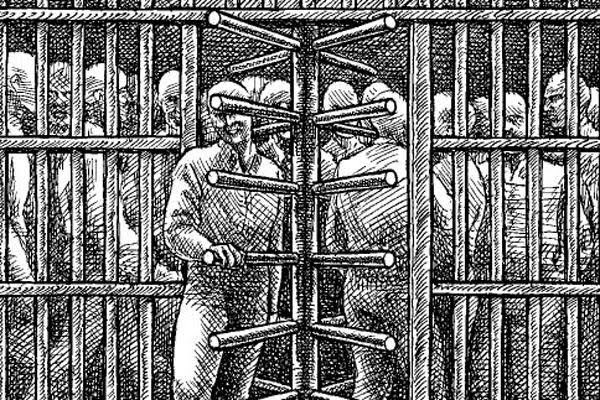
From this lecture, by an law professor from Auckland.
https://www.lawsociety.org.nz/practice-resources/commentary/legislation-and-regulations/Three-Strikes-Five-Years-On.pdf
Rationale: "The Sentencing and Parole Reform Act 2010 amended the Sentencing Act 2002 and the Parole Act 2002 by introducing a 'three strikes' sentencing regime.
The aim of the new law was to significantly increase penalties on certain repeat offenders. But as criminologist James Oleson has pointed out in an article published earlier this year it was not a 'stand alone' legal reform. It was one of a number of statutory changes which gave effect to the 1999 citizen-initiated referendum which advocated a greater focus on the needs of victims, support for minimum sentences and harsher penalties for serious violent offences.
The particular rationale for three strikes was that it would protect the public, deter serious sexual and violent offenders, and improve public confidence in the criminal justice system."
From Stuff
https://www.stuff.co.nz/national/politics/104608068/governments-three-strikes-repeal-killed-by-nz-first
Government's three strikes repeal killed by NZ First
By Laura Walters and Jo Moir
"NZ First is expected to make it clear it won't support a three strikes repeal being considered as part of any wider justice reform after caucus meets on Tuesday.
Justice Minister Andrew Little was forced to backtrack on the proposed repeal that he was planning to take to Cabinet on Monday after NZ First indicated it wouldn't support it.
In a press conference on Monday morning Little tried to leave the door open on three strikes being repealed in the future, saying NZ First didn't support a "piecemeal" approach and wanted to see the total justice reform package.
However, it's understood NZ First MPs have been working on this issue for weeks. The caucus has no plans to budge on its long-held view of being tough on law and order after seeking feedback from its voter base.
...
The three strikes policy was introduced in 2010 and dictates repeat violent offenders will not be eligible for parole after their third offence.
An offender would receive a standard sentence and warning for their first serious offence. The second offence would usually lead to a jail term with no parole and a further warning. On conviction for a third serious offence, the offender would receive the maximum penalty in prison for that offence with no parole.
Forty offences – including murder, manslaughter, sexual violation, abduction, kidnapping and aggravated robbery – count as a strike under the law, pursued by the Act Party in 2010.
So far, no courts had used the full power of the law, to sentence offenders on their third strike to the maximum sentence without the chance of parole."




 Trusted