Geekzone: technology news, blogs, forums
Guest
Welcome Guest.
You haven't logged in yet. If you don't have an account you can register now.


Lizard1977

2133 posts

Uber Geek
+1 received by user: 624

ID Verified

#289337 30-Aug-2021 19:43
Send private message

Hi everyone, we are renovating our garage sleepout so that we can take a boarder in (once lockdown is over).  This is the biggest DIY project we've undertaken, so I'm looking for some advice, feedback, tips or suggestions.  


The renovations we have planned are:


1. Replace the horrible old carpet with laminate flooring.


2. Replace the horrible old wall linings with plasterboard, and insulate.


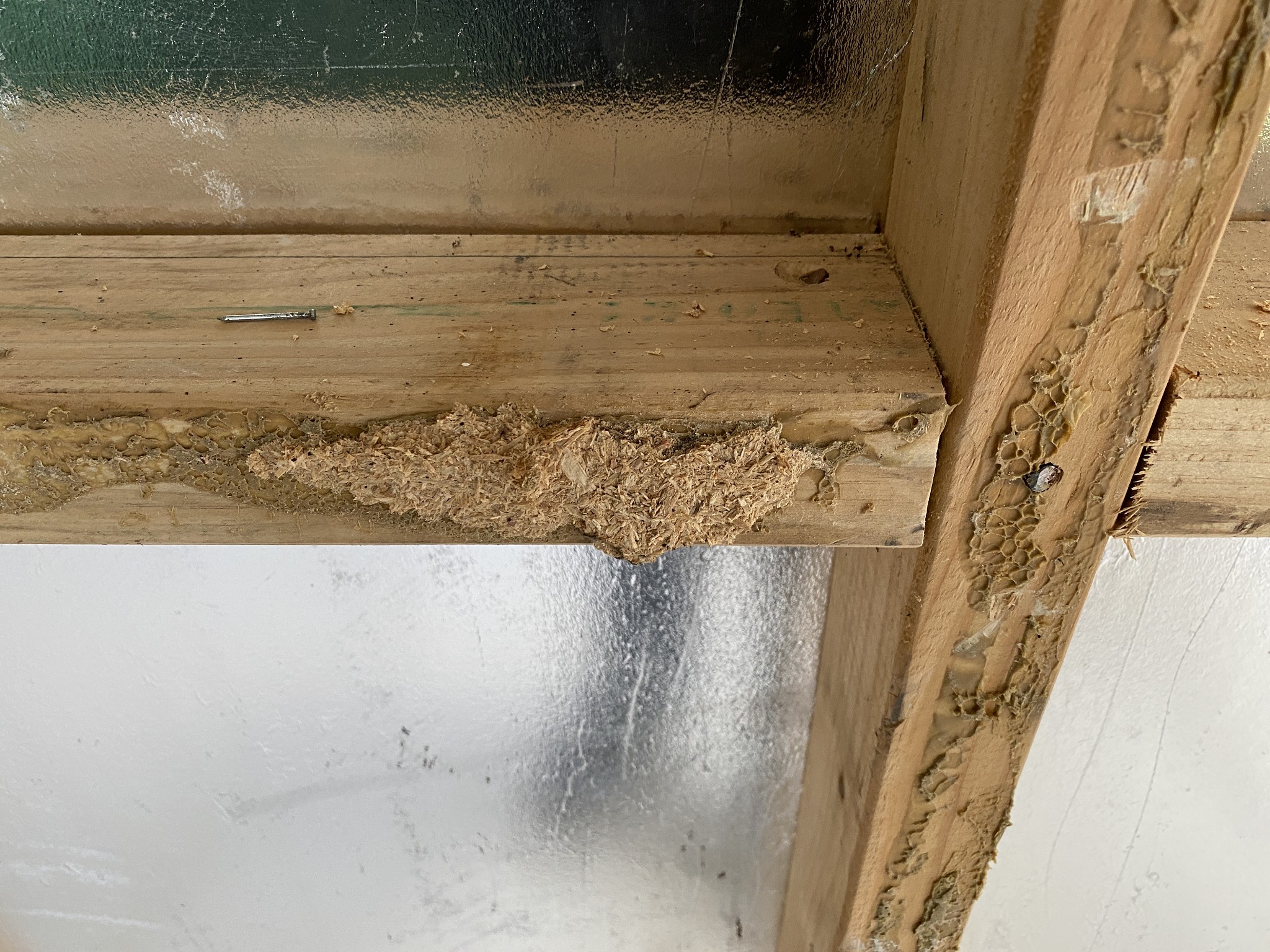
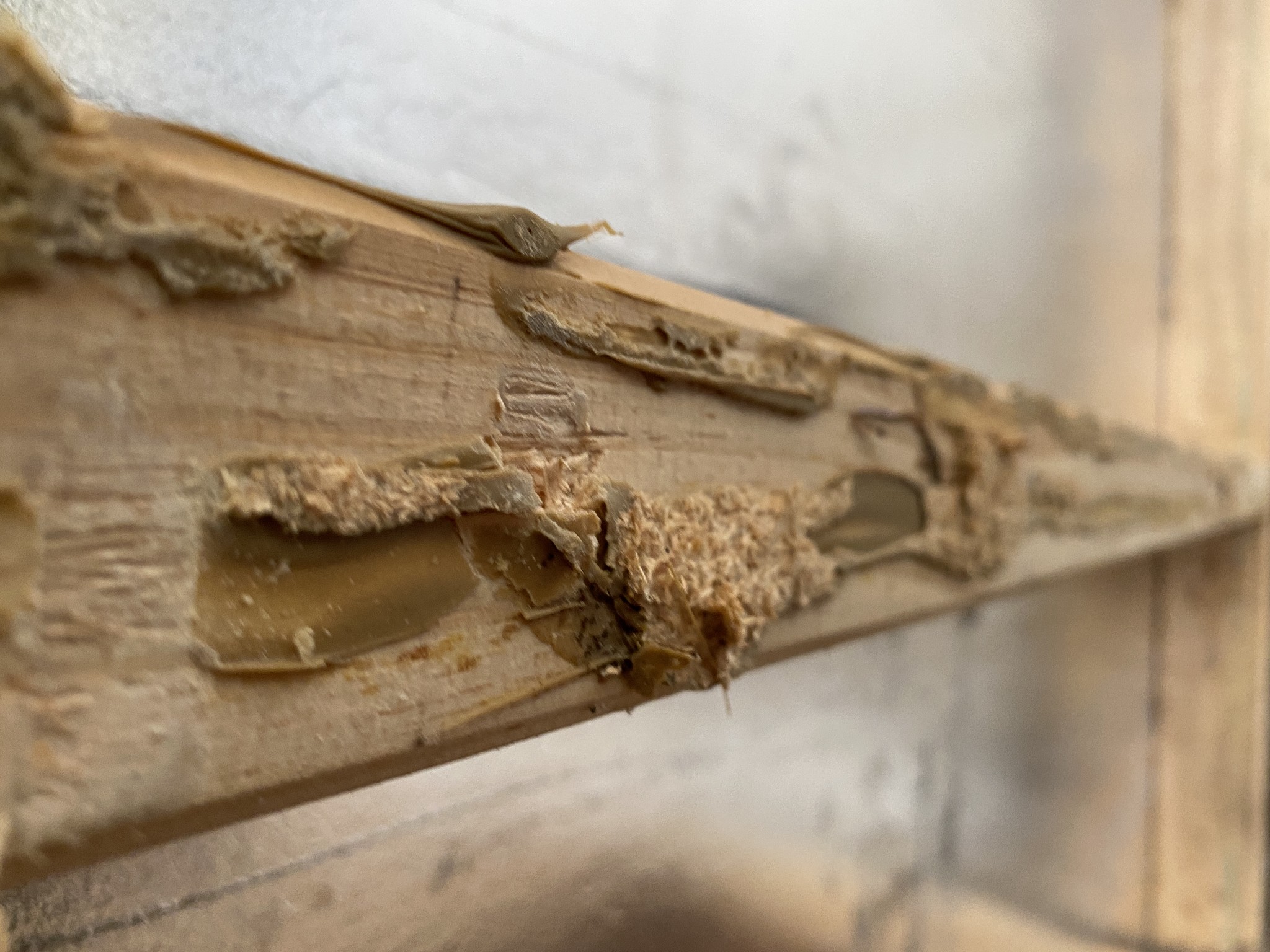
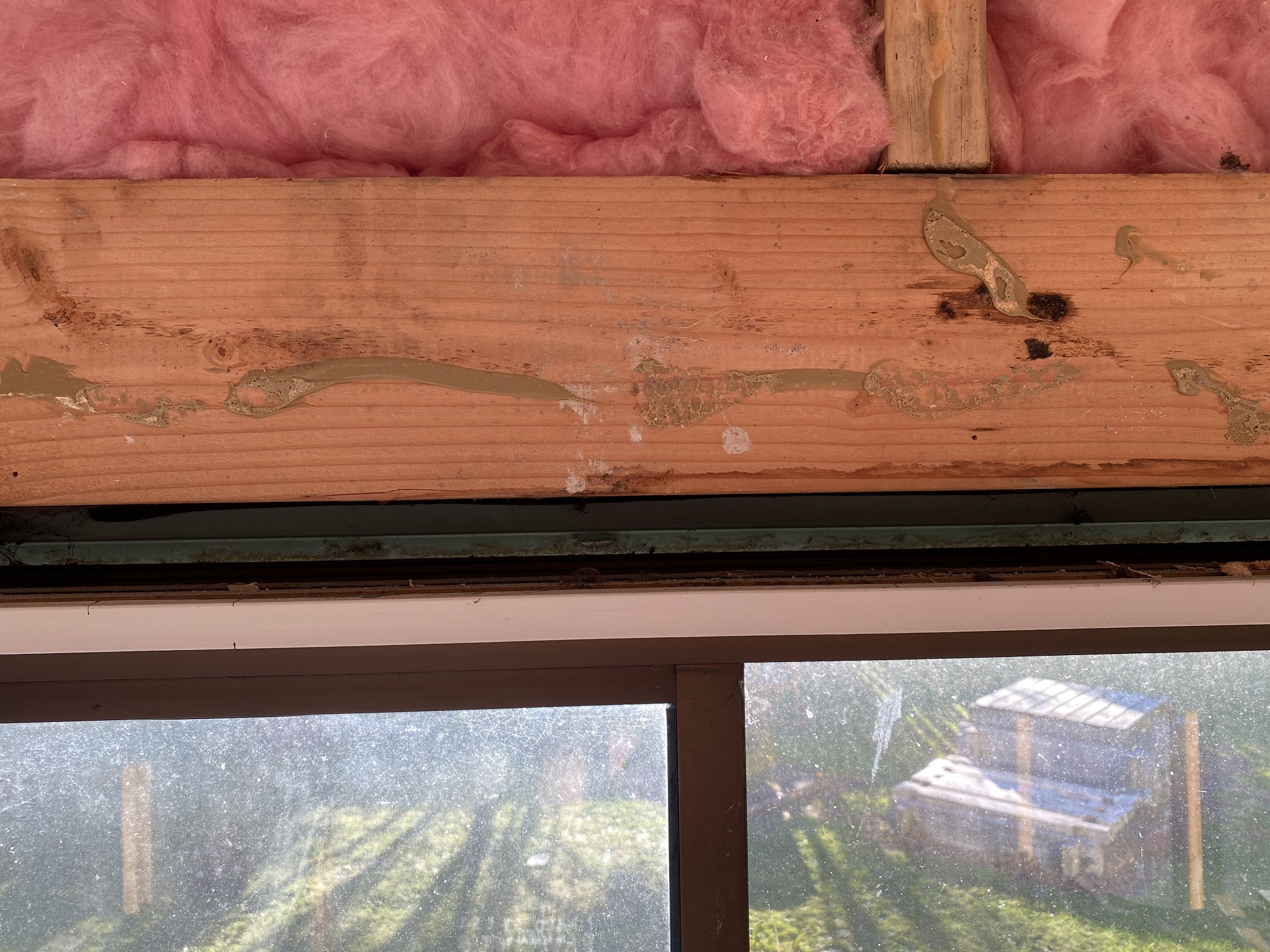
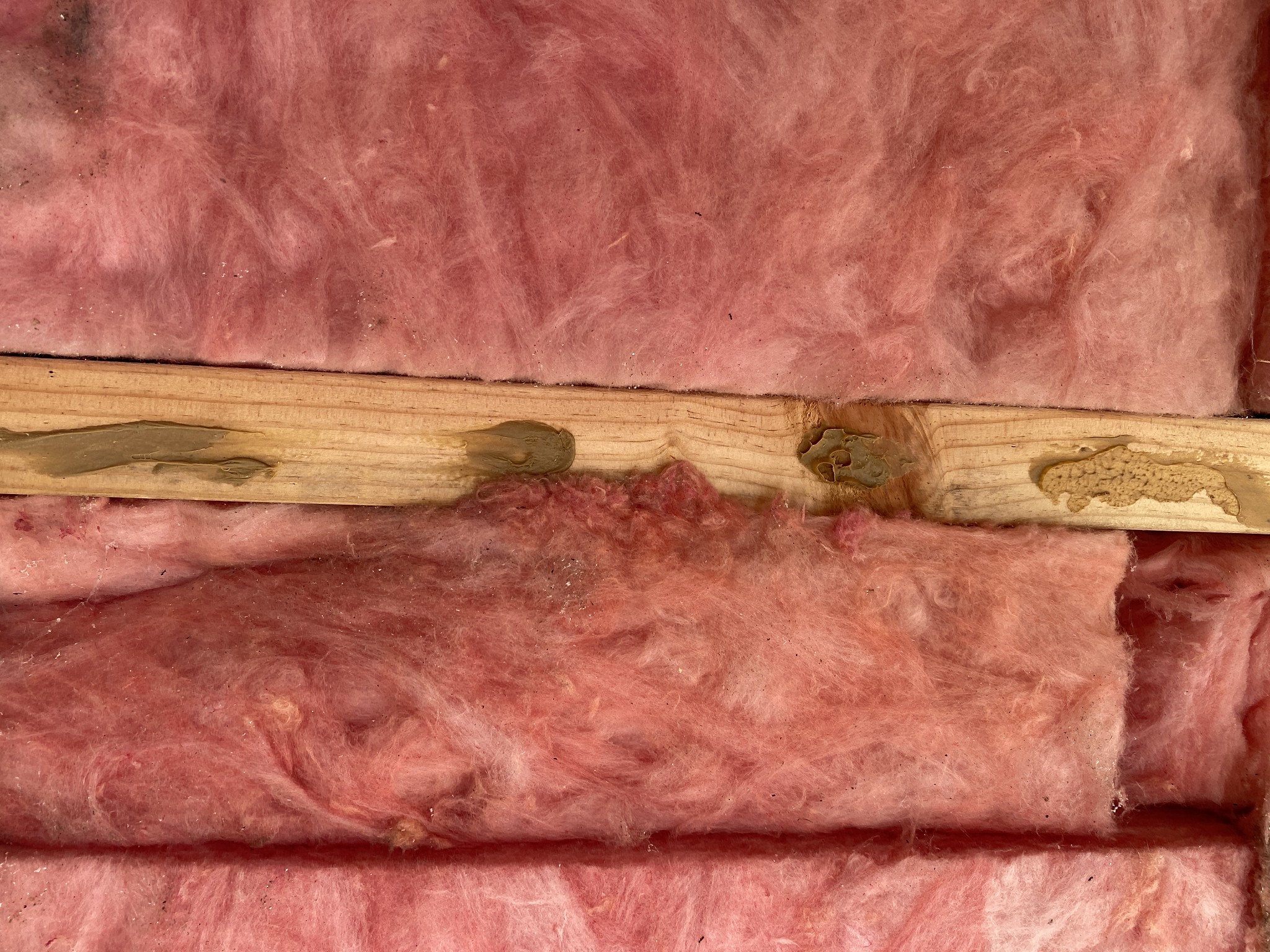
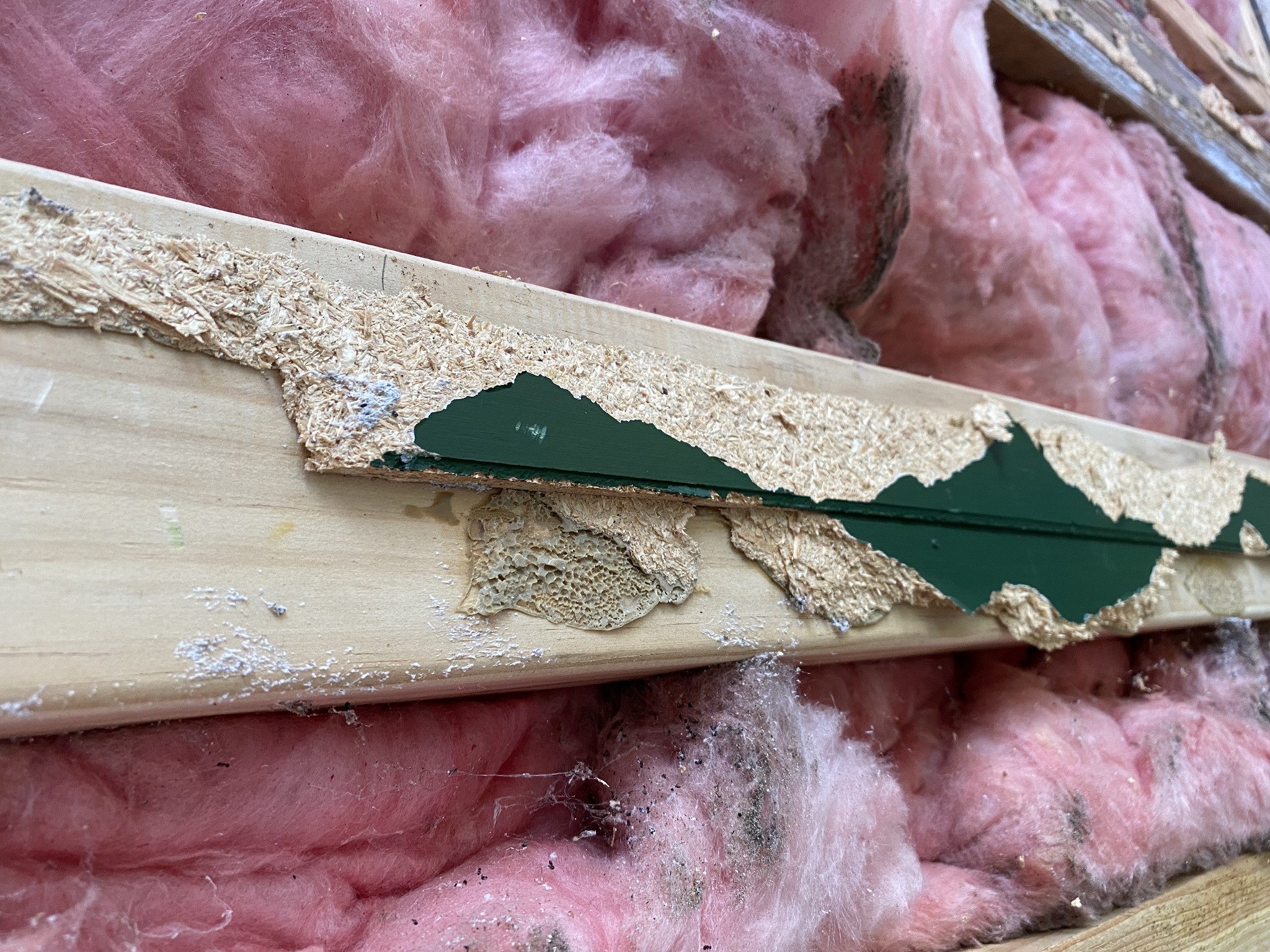
So far, we have pulled up the old carpet, and have started removing the old wall linings.  The carpet was easy, and there is a little bit of glue residue on the concrete base, but otherwise it's in good shape.  The wall linings were glued on extensively as well as nailed.  We've started pulling them off, but chunks of the old wall lining broke away where it was glued on.  It looks like a chipboard type of product, and we've tried scraping it off but it's incredibly time-consuming and tedious.


Questions 


1. What's the most efficient or effective way for scraping off the glue/wall lining scraps?  How clean does the framing have to be before we start fixing the new plasterboard?  See photos below for illustration.


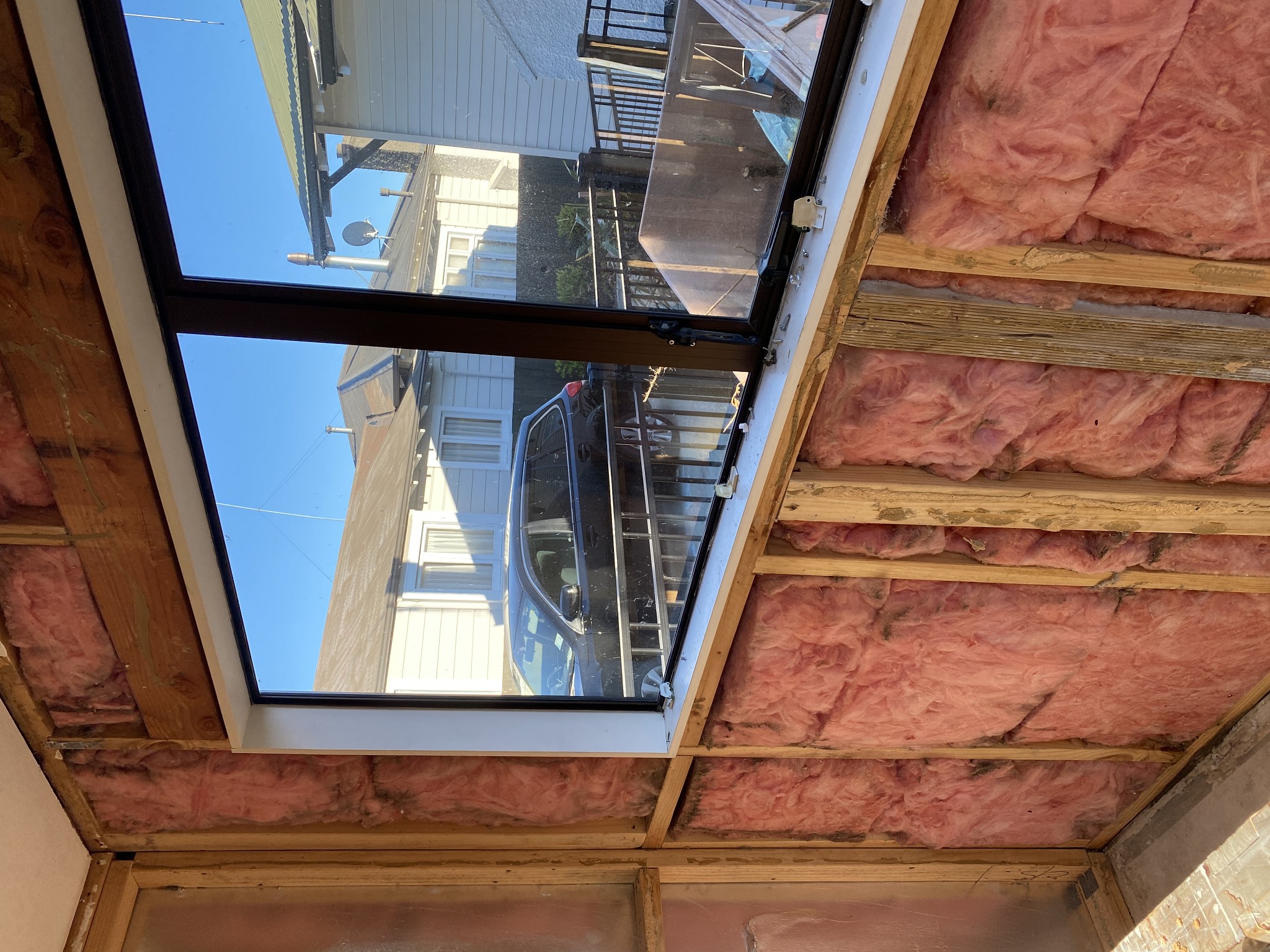
2. There is some existing insulation in the external walls.  Is it better to replace it with new insulation or leave it in situ.  It looks okay to me (you can get a glimpse of it in the photos below), but I have no experience installing insulation so not sure what is good or bad.  Would this insulation be sufficient for the areas where there is no insulation, or is there a better product? (Note, we're in Palmerston North, so while it does get cold, it doesn't really snow here).


3. When installing the new plasterboard, do we need any special fittings for the internal corners?  I've been browsing on Bunnings and Mitre 10 and have seen some fittings listed, but not sure whether it's necessary or not.


4. We originally considered installing an acoustic insulation product on the wall that adjoins the garage, just to minimise noise transfer, but saw in other threads that these products don't really do much.  I looked at the idea of a noise control wall using a Gib rail and double layer of plasterboard, but it bumps up the cost of the project.  Is there a practical and cheaper alternative to minimise noise transfer from the garage?


5. What's the best order for doing the work? I assumed insulation and gib in first, then lay the laminate floor, then paint the walls - is this right, or is there a better order to do the work?


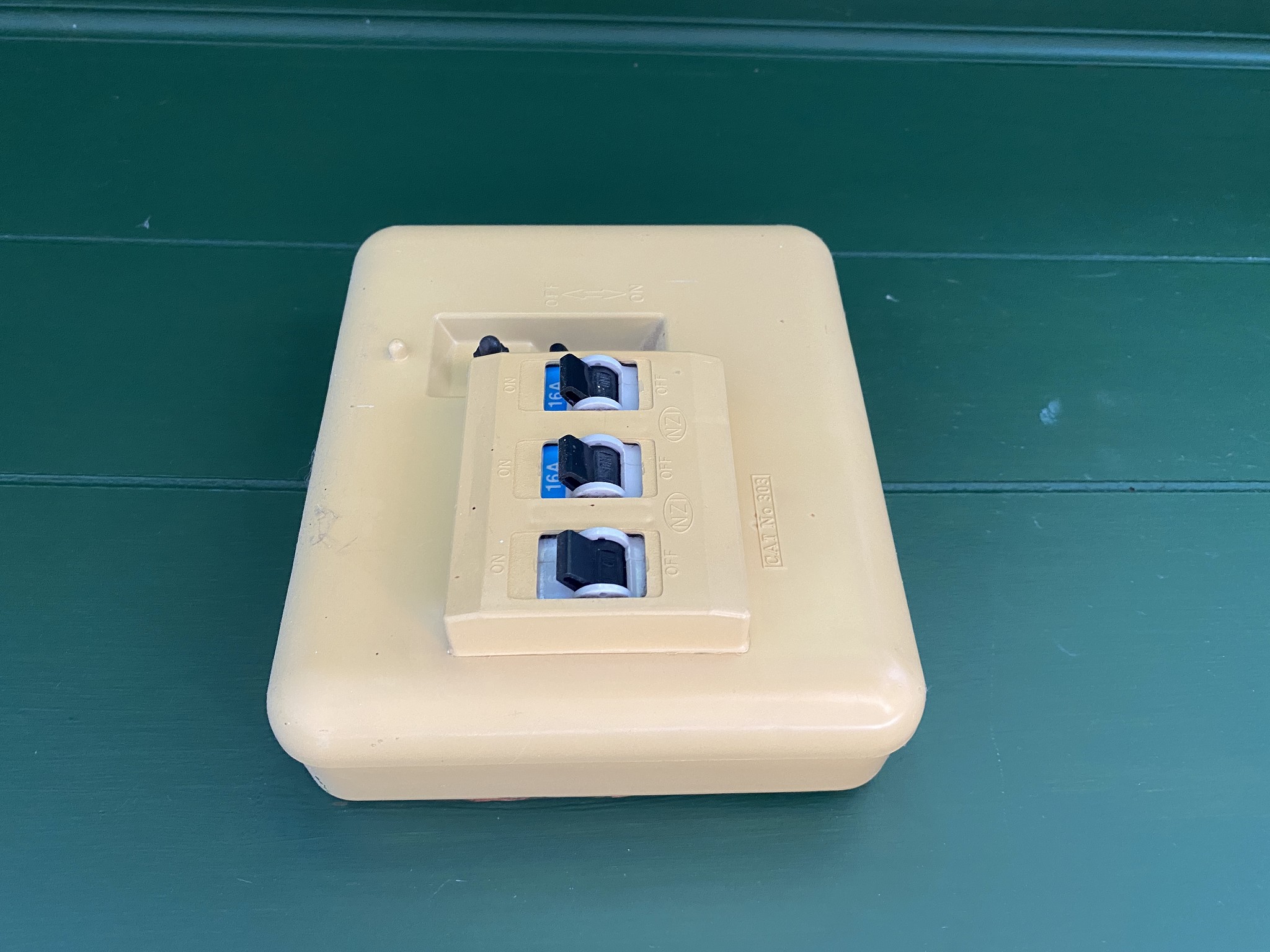
6. We are considering replacing the electrical switch board, which is old, with something more modern.  When should we do this?  Before the gib goes in, or after?  How tricky would it be to remove it from the wall when we are taking off the old wall linings (and to then install the new gib around it)?


Finally, are there any general suggestions or tips from people who have done this sort of thing before, or things to watch out for?  What tools should we invest in to make the project easier?  We were looking at a multitool for doing the undercuts on the wall when we install the laminate flooring, but as we're installing new Gib that isn't really necessary (as it will be 10mm off the floor anyway), but there are a couple of door frames that we will need to undercut.  Is a multitool (like this) worth it?  Would a tool like this be useful in getting the old glue/wall linings off the framing?  


All suggestions/tips gratefully received.


View this topic in a long page with up to 500 replies per page Create new topic
 1 | 2 | 3 | 4 | 5 | 6
Handle9
11924 posts

Uber Geek
+1 received by user: 9675

Trusted
Lifetime subscriber

  #2768993 30-Aug-2021 20:24
Send private message

Heatgun and a paint scraper should get that glue off. If it doesn't it'll be a hammer and chisel job. You want the framing flat for the gib otherwise you can have some problems.


IME acoustic insulation works rather well, it's no miracle but makes a real difference. Polyester is much much much nicer to work with than glass. If the existing batts are in good order and not too compressed then they should be ok - the photos above look a bit rough but they are around windows which are a PITA.


If you are laying laminate the floor needs to be very level. Use self levelling compound to get it flat and/or grind down any high points.


richms
29098 posts

Uber Geek
+1 received by user: 10208

Trusted
Lifetime subscriber

  #2769020 30-Aug-2021 21:31
Send private message

Get a sparky in to disconnect the power at the house and isolate it properly and give you a document that has been done, they can also assess if the cable to the house needs upgrading at that time since many outbuildings were done in crappy little 2.5mm stuff back in the day and the breakers at the outbuilding end were really just to get the lights working.


Then once the walls are cleaned off get the sparky back to do all the new wiring, as that way the wires are inside the wall like civilized people have, not surface mount like savages do.


That chipboard stuff will probably disintegrate quite well with a steamer. You can always batten over the glue residue to make is so less has to be cleaned, and any noise isolation is more effective. That will be a different depth of the windows which most builders can solve with creative application of trim.


Richard rich.ms

mclean
584 posts

Ultimate Geek
+1 received by user: 182

Subscriber

  #2769180 31-Aug-2021 09:59
Send private message

If you're putting new insulation in exterior walls then get a building consent, or at least run it past the council before you start.


Blurtie
487 posts

Ultimate Geek
+1 received by user: 131


  #2769272 31-Aug-2021 11:20
Send private message

For point 5 - as a general rule - I would do the floors at the very end. That way you don't have to worry about getting paint on the floor etc.


lucky015
746 posts

Ultimate Geek
+1 received by user: 182

ID Verified
Trusted

  #2769302 31-Aug-2021 11:47
Send private message

From the list of complaints I hear from others living in a similar situation...


1. Network Connectivity - Consider running an Ethernet cable (good outdoor rated cable) to it from the router/ONT in the house where possible to a socket in the wall and consider what options you will offer to a potential tenant, a converted garage is unlikely to get a Fibre or DSL connection installed directly to it. WiFi coverage from house to garage may not be very good once it's fully insulated/etc.
2. Power sockets - the more the better for someone to exist in a small space.
3. Inbuilt storage - can come in handy in a tight space.
4. Sound dampening for the roof - tin roof can get very loud in heavy rain.
5. Ventilation - Cooking/etc
6. Heating/Cooling - Importance will depend on location but it can make it seem a lot more hospitable to a potential tenant.


elpenguino
3576 posts

Uber Geek
+1 received by user: 2938


  #2769344 31-Aug-2021 13:49
Send private message

Lizard1977:


2. There is some existing insulation in the external walls.  Is it better to replace it with new insulation or leave it in situ.  It looks okay to me (you can get a glimpse of it in the photos below), but I have no experience installing insulation so not sure what is good or bad.  Would this insulation be sufficient for the areas where there is no insulation, or is there a better product? (Note, we're in Palmerston North, so while it does get cold, it doesn't really snow here).


3. When installing the new plasterboard, do we need any special fittings for the internal corners?  I've been browsing on Bunnings and Mitre 10 and have seen some fittings listed, but not sure whether it's necessary or not.


4. We originally considered installing an acoustic insulation product on the wall that adjoins the garage, just to minimise noise transfer, but saw in other threads that these products don't really do much.  I looked at the idea of a noise control wall using a Gib rail and double layer of plasterboard, but it bumps up the cost of the project.  Is there a practical and cheaper alternative to minimise noise transfer from the garage?


5. What's the best order for doing the work? I assumed insulation and gib in first, then lay the laminate floor, then paint the walls - is this right, or is there a better order to do the work?


6. We are considering replacing the electrical switch board, which is old, with something more modern.  When should we do this?  Before the gib goes in, or after?  How tricky would it be to remove it from the wall when we are taking off the old wall linings (and to then install the new gib around it)?


Finally, are there any general suggestions or tips from people who have done this sort of thing before, or things to watch out for?  What tools should we invest in to make the project easier?  We were looking at a multitool for doing the undercuts on the wall when we install the laminate flooring, but as we're installing new Gib that isn't really necessary (as it will be 10mm off the floor anyway), but there are a couple of door frames that we will need to undercut.  Is a multitool (like this) worth it?  Would a tool like this be useful in getting the old glue/wall linings off the framing?  


Good project - you'll get a massive refresh compared to say, just a paint job, the walls will (hopefully) be straight, etc etc. Humble suggestions from someone who has reno's so many rooms he's taught himself to plaster.


2. When considering whether to re-use the insulation, bear in mind that the legal minimum (for new builds ) has increased in R rating over the years. You could consider moving the old insulation to double coat the ceiling or to an inside wall and fit the best spec you can get to the outside walls. Remember, this is the last chance to improve those walls for 50 years and the building code is a minimum.


3. Inside corners of GIB attaches directly to framing, just normal GIB screws are required. No reinforcement is required due to unlikelihood of damage from collisions.


4. Noise travels through air and mechanical coupling. Putting batts in the wall stops the first but only decoupling the walls stops the second. If the wall between the two dwellings has no doors or windows then it should be very straightforward to fit a false wall. The cost of the extras will be pretty small if you're DIY. I think it's worth it - remember it stops noise going both ways.


5. If replacing the ceiling, fit that before the walls because the ceiling linings are a PITA to manipulate into place compared to the walls.


As another poster said, floor last. Obviously to make the floor come out in the best condition possible with less effort to protect from damaging it yourself.


6. You don't really need to remove the old board to strip the GIB. it will probably be screwed to a dwang or stud so if you open it to loosen the screw(s) at the back, you should be able to break the GIB around it and leave the power board where it is. Opening a live power board is a no-no for the home owner so kill the power at your main board first. New power boards sit inside the wall cavity and sit flush with the wall (the flash ones anyway). You'll need the new board fitted first so the new GIB can be fitted into the sides of the new power board - the newer boards usually have 10mm slots in the side for GIB. The sparky might need to fit an extra dwang or block to support the power board on multiple sides.


7. Expanding foam is your friend. Ensure you thoroughly  seal around all penetrations to eliminate draughts and noise entry points.


8. Cable through to the main house for data, TV etc. Now is the time.


9. Applying for consent to insulate exterior walls is something many people will be ambivalent about. I've been through this and it added thousands (4) in designer and consent cost (for a space of >30 sqm) only to hear two different inspectors say the wouldn't have bothered. On the 'pro' side, the upgrade will be official and will be added to the council records. It will keep you squeaky clean with the bank and insurance peeps.


On the down side, your house value and therefore rates will probably go up upon completion. Also on the down side, a designer may recommend bracing be improved which will require a LBP to perform. In my case, the bracing work was mostly things like using a certain screw pattern to install the GIB, so it's something you can help with.


You can re-line with basic tools. You may need a longer level/straight edge to cut GIB and batts. GIB saw. Battery drill with decent clutch to fit GIB screws. Plastering tools are also very cheap if you're gonna DIY that. Plaster itself it also very cheap, you're only talking $50-60 in materials to plaster a bedroom.


I know many people are scared to learning to plaster but if you're not going to be lying in bed looking at the results, give it a go.


Most of the posters in this thread are just like chimpanzees on MDMA, full of feelings of bonhomie, joy, and optimism. Fred99 8/4/21


Move to New Zealand's best fibre broadband service (affiliate link). Free setup code: R587125ERQ6VE. Note that to use Quic Broadband you must be comfortable with configuring your own router.
mclean
584 posts

Ultimate Geek
+1 received by user: 182

Subscriber

  #2769362 31-Aug-2021 14:47
Send private message

elpenguino: 9. Applying for consent to insulate exterior walls is something many people will be ambivalent about. I've been through this and it added thousands (4) in designer and consent cost (for a space of >30 sqm) only to hear two different inspectors say the wouldn't have bothered. On the 'pro' side, the upgrade will be official and will be added to the council records. It will keep you squeaky clean with the bank and insurance peeps.


Regardless of what an inspector might say, it would clearly be an offence under s40 of the Building Act.  Some Councils are a bit funny if they find out you've broken a law they're tasked to administer. All it takes is a grumpy tenant or neighbour, and a Council officer having a bad day.


richms
29098 posts

Uber Geek
+1 received by user: 10208

Trusted
Lifetime subscriber

  #2769445 31-Aug-2021 17:24
Send private message

lucky015:


From the list of complaints I hear from others living in a similar situation...


6. Heating/Cooling - Importance will depend on location but it can make it seem a lot more hospitable to a potential tenant.


Its a sleepout. Adding cooking isnt allowed. But you can have snack and coffee facilities which is good enough for most people.


Richard rich.ms

thenine
37 posts

Geek
+1 received by user: 12


  #2769576 1-Sep-2021 07:34
Send private message

We've just finished dealing with a similar situation with glue. I tried everything and found a multitool with a lino scraping bit was easily the quickest.

geoffwnz
1722 posts

Uber Geek
+1 received by user: 1578

ID Verified

  #2769599 1-Sep-2021 08:27
Send private message

Can definitely recommend that when you pick up the box of Gib screws that you pick up a gib setter bit also.  Not the one that comes in the box, but the likes of Irwin have one that has the bit inside a collar that sets the screws perfectly 98% of the time.  The other two percent you can still totally drive them and the collar halfway through the gib sheet. (whoops).


Also another vote for to the floor last. Can't spill paint drips on something that isn't there.  Don't forget to leave the skirting off until after the flooring goes down though.


As for the remaining glue on the floor, it'll depend on the type of laminate flooring.  Some have a foil/foam underlay that goes down first and will deal with a small amount of surface defects from leftover glue.  But, as I discovered with my floor, if there's a more significant low spot, you can snap/split the joint edges on the planks over time.


Bung
6733 posts

Uber Geek
+1 received by user: 2926

Subscriber

  #2769601 1-Sep-2021 08:33
Send private message

mclean:

elpenguino: 9. Applying for consent to insulate exterior walls is something many people will be ambivalent about. I've been through this and it added thousands (4) in designer and consent cost (for a space of >30 sqm) only to hear two different inspectors say the wouldn't have bothered. On the 'pro' side, the upgrade will be official and will be added to the council records. It will keep you squeaky clean with the bank and insurance peeps.


Regardless of what an inspector might say, it would clearly be an offence under s40 of the Building Act.  Some Councils are a bit funny if they find out you've broken a law they're tasked to administer. All it takes is a grumpy tenant or neighbour, and a Council officer having a bad day.


Is taking out insulation A and replacing it with insulation B, that could be done for many reasons eg the original was vermin or ant infested, the same as retrofitting insulation in a previously uninsulated wall?


Stream your favourite shows now on Apple TV (affiliate link).
geoffwnz
1722 posts

Uber Geek
+1 received by user: 1578

ID Verified

  #2769607 1-Sep-2021 08:41
Send private message

Bung:
mclean:


Regardless of what an inspector might say, it would clearly be an offence under s40 of the Building Act.  Some Councils are a bit funny if they find out you've broken a law they're tasked to administer. All it takes is a grumpy tenant or neighbour, and a Council officer having a bad day.


Is taking out insulation A and replacing it with insulation B, that could be done for many reasons eg the original was vermin or ant infested, the same as retrofitting insulation in a previously uninsulated wall?


The council would have the best answer to that.  They may deem a like for like swap to not need their input.  But that's up to them.


Lizard1977

2133 posts

Uber Geek
+1 received by user: 624

ID Verified

  #2769623 1-Sep-2021 09:11
Send private message

Thanks everyone for all the replies.  Very helpful, and some good suggestions/tips.  @lucky015 makes a number of good points about the typical complaints for people living in a sleepout.  As someone who has spent a few weeks at a time living out there, I can identify with many of these.  The strength of our wifi signal out there isn't great, so a dedicated ethernet connection would be great.  I think we will ask the sparky when they come out to look to see if it is possible to draw an ethernet cable back through to the house.  If it's not feasible/too expensive, then I will probably make do with a stronger wifi AP.  We are also going to get the sparky to quote for updating the switchboard and adding some extra power sockets. There are no cooking facilities, and we won't be adding this.  There is an ensuite bathroom with shower, toilet, basin and in-built wardrobe.  The shower pressure is hopeless though, so we are going to get a plumber to take a look and see if it can be easily fixed.  We can't afford to completely renovate the shower so hopefully it's a simple/cheap/quick fix.


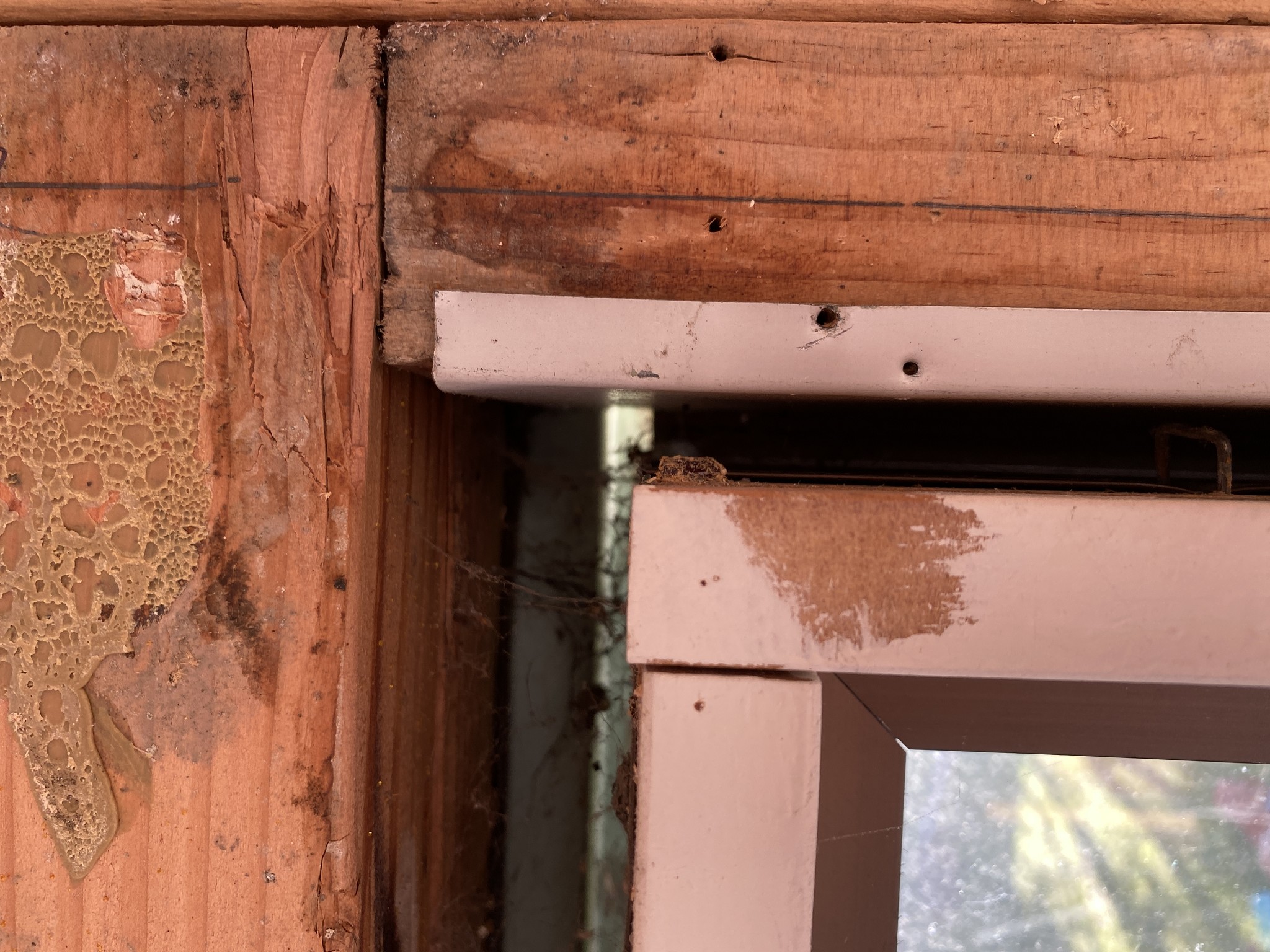
The expanding foam idea is an interesting tip.  There are a few places around the ranchslider and window frames where there are noticeable gaps.  See photos below.  In a few other places there are some gaps between the framing where batt insulation would be tricky.  Would expanding foam be the best way to go in these situations?  Is there a recommended product to use that is suitable for external or internal walls?


We've decided that for the external walls we will leave the insulation in place.  I've added a couple of photos to show it's overall condition, and it looks fine to me.  I think the benefit vs cost for removing them and upgrading the insulation in the external walls (and possibly needing consent) means it's not really worth it.


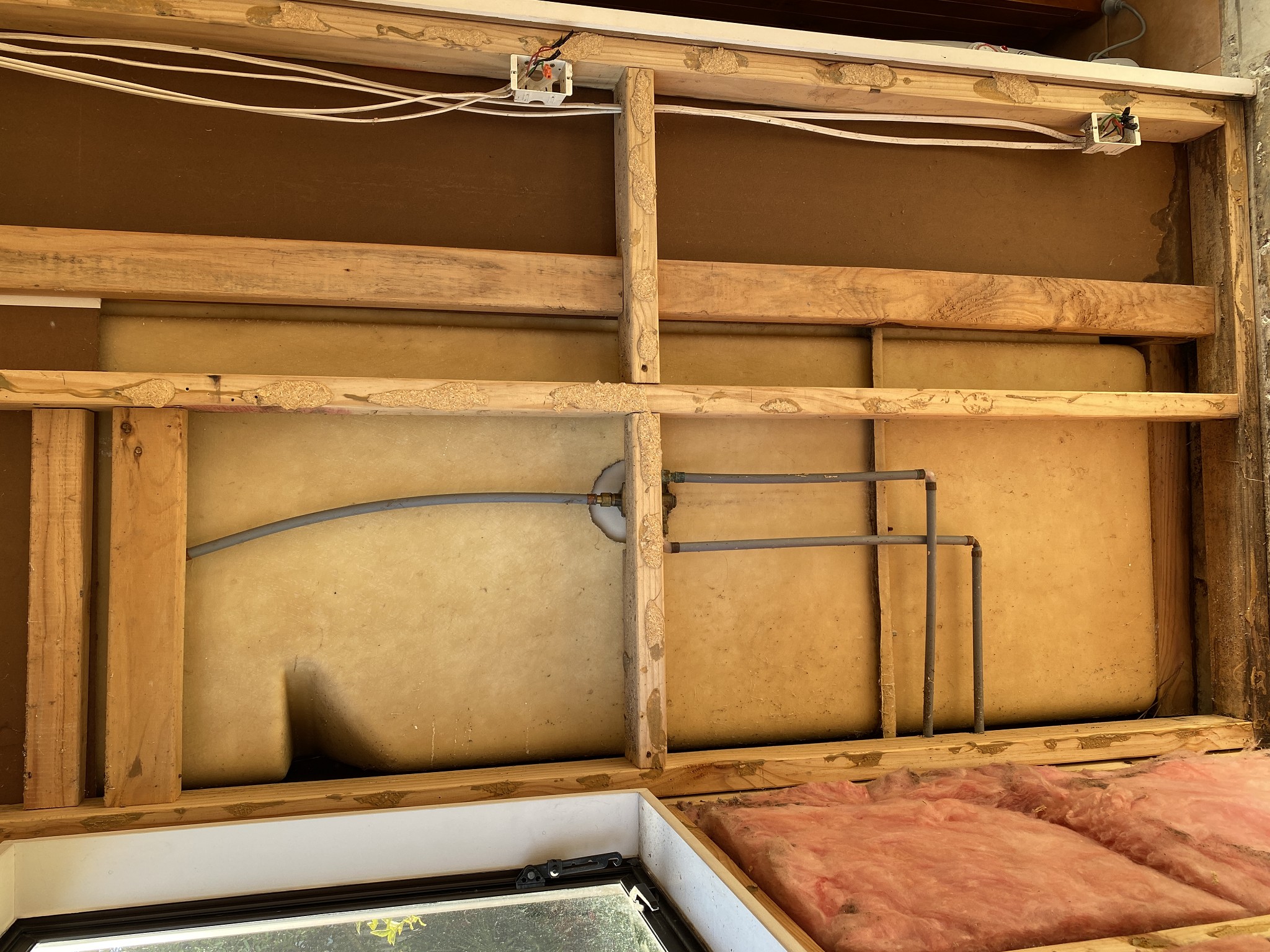
There are two additional issues we're looking at.  The first is how to approach the insulation on the internal wall that backs on to the bathroom area, where the pipes for the shower are.  Do we need to do anything different here, or just put the batts in as normal?  Looking at the floor in that corner, when we took the carpet off underneath there looked to be some water staining.  As far as we can tell it's not new/recent water staining, but it made me wonder whether we need to do anything special when working this close to a "wet" space. Just to be clear, it's not currently leaking - it very much looks like it happened a while ago. 


On a similar note, should we take additional steps to improve the weathertightness of the external walls?  In one space, above the ranchslider, you can see a bit of daylight poking through above the door frame.  Also, from what I can see when I pull the batts back carefully, there appears to just be the exterior metal and then what I assume is building paper, then the batts.  Should we do anything different in this area to protect against the elements intruding?  Is there some kind of paper or lining we need to install over or behind the batts to protect the gib?  We would hate for the gib to be damaged by any water intrusion.  The previous lining was a Sherwood hardboard product, so quite different to gib, but there is evidence of some water staining on a couple of the pieces we took off (see photos).  It could be an old water leak from the shower before we bought it (it was near to the corner where the shower is), but maybe it was caused by some water intruding from the outside?


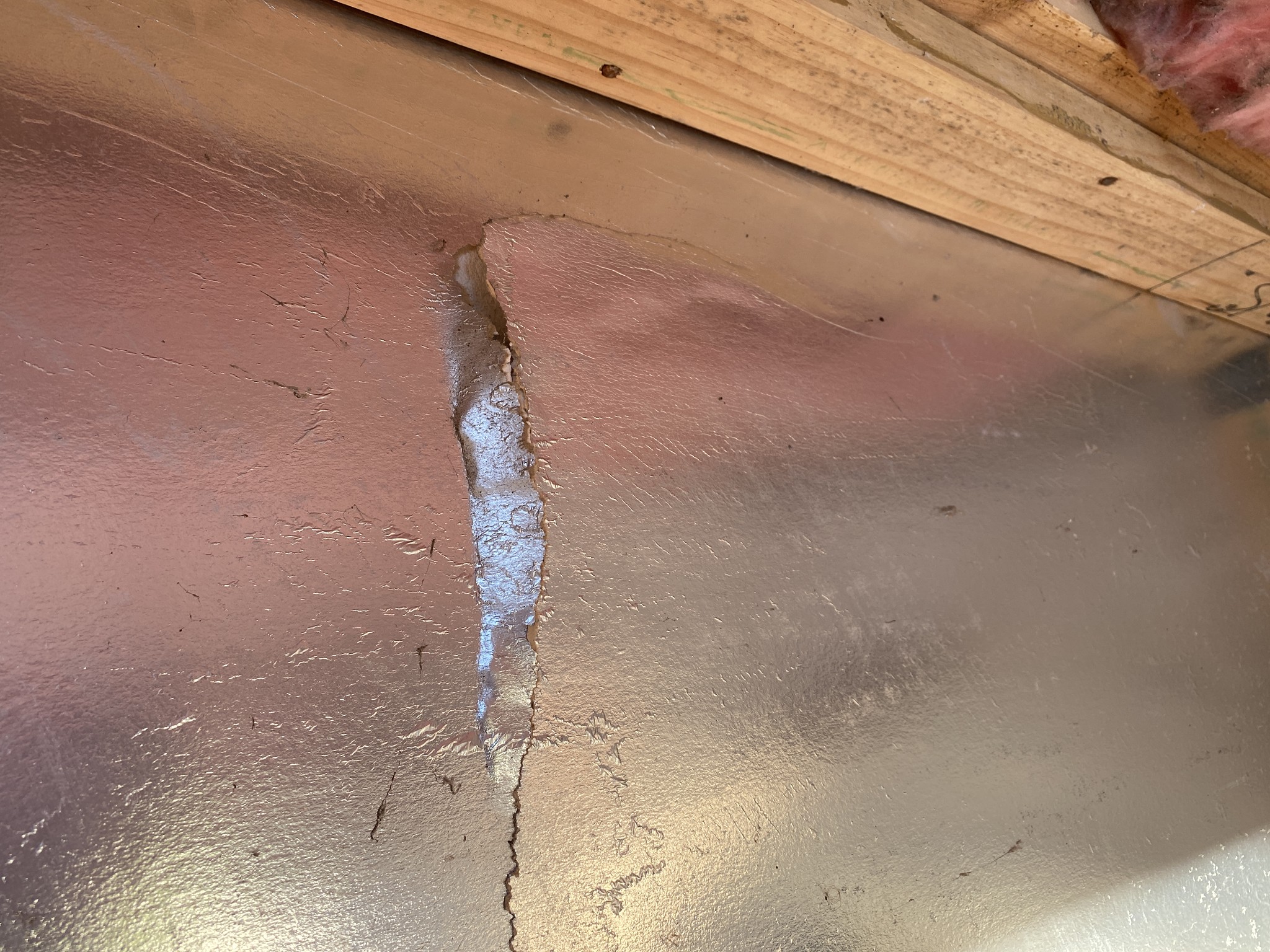
On the internal wall that adjoins the garage, the lining (on the garage side) is damaged in one place.  What's the best approach with this?  Leave as is, or try to replace the panel from the garage side?  Also, is the foil backing on these panels a fire protection or insulation measure?


If we use a heat gun to scrape off the glue in the areas where the batts are already in place, do we need to remove the batts first to avoid damaging them, or will they be fine?


Lizard1977

2133 posts

Uber Geek
+1 received by user: 624

ID Verified

  #2773282 6-Sep-2021 21:25
Send private message

Just a friendly bump here.  With level 2 for us just around the corner, we will hopefully be able to progress some of the work we had planned.  I'm hoping there may be some helpful advice on the following questions:


1. Is expanding foam the right approach for the kind of gaps shown in the pictures above?  And also, what product is best for internal vs external walls (or is there no difference)?  Would it be considered insulating?


2. For the wall backing on to the shower (see photo above, with pipes), is it okay to use batt insulation as normal, or does it need a different approach?


3. Do we need to take additional steps to ensure the gib on the external-facing walls is protected against possible ingress of the elements?  As you can see in a photo above, there is just the metal exterior cladding, then the builders paper, then the batts.  Is this enough, or should we do something additional before installing the gib here?


elpenguino
3576 posts

Uber Geek
+1 received by user: 2938


  #2773326 7-Sep-2021 00:42
Send private message

Lizard1977:


Just a friendly bump here.  With level 2 for us just around the corner, we will hopefully be able to progress some of the work we had planned.  I'm hoping there may be some helpful advice on the following questions:


1. Is expanding foam the right approach for the kind of gaps shown in the pictures above?  And also, what product is best for internal vs external walls (or is there no difference)?  Would it be considered insulating?


2. For the wall backing on to the shower (see photo above, with pipes), is it okay to use batt insulation as normal, or does it need a different approach?


3. Do we need to take additional steps to ensure the gib on the external-facing walls is protected against possible ingress of the elements?  As you can see in a photo above, there is just the metal exterior cladding, then the builders paper, then the batts.  Is this enough, or should we do something additional before installing the gib here?


1. You can get this insulation/gap filler which comes in different diameters of solid rod/cylindrical shape = a bit like pool noodles. It's 'better' for gaps around door frames etc (according to my LBP) than expanding foam. The idea is that you squeeze this foamy tube into the gap but do not shove it all the way through - you leave it closer to the GIB / inside than the cladding side.


This is so that if drops of water make their way past the cladding, those drops can sit on the framing, but on the outside of the foam insulation, until they dry out.


Once the gap gets > 50-60 mm , it's mighty tempting to stuff an offcut of batt in there instead.


Expanding foam is OK for gaps between framing e.g. if you have a double stud but one is a bit wonky.


No, AFAIK there's no different product available for internal or external walls. You can choose plastic, glass, wool etc based on R rating, tendency to sag, cost etc to your preference.


2. I can't exactly remember from the insulation installation standard whether it is recommended to insulate over water pipes. Let me see if I can dig it out, unless you have a copy already?


3. The builders paper is supposed to keep stray drips off the framing so yup, normally the insulation is just whacked in the framing and then the GIB is applied. Of course, if the paper and cladding is defective you'll end up with a soggy mess over time.


Now is a good time to examine the framing for water stains or perform a spray test and look for ingress.


Most of the posters in this thread are just like chimpanzees on MDMA, full of feelings of bonhomie, joy, and optimism. Fred99 8/4/21


 1 | 2 | 3 | 4 | 5 | 6
View this topic in a long page with up to 500 replies per page Create new topic


Geekzone Live »

Try automatic live updates from Geekzone directly in your browser, without refreshing the page, with Geekzone Live now.


Are you subscribed to our RSS feed? You can download the latest headlines and summaries from our stories directly to your computer or smartphone by using a feed reader.