But you couldn't mistake a R3.6 ceiling batt for an R6.0 - there is quite a difference in thickness.
You're right but installers will still do things like forget to install any insulation out of line of sight of the roof cavity man hole.
I think the consumer needs to think more long term, but whose job is it to educate them? Much of what are considered upgrades now I believe will be the norm in 10 years. The joinery company was telling us that Housing NZ are putting thermally broken joinery into new state houses now (not sure about Low E), yet the norm for most people having a house built is non-thermal and plain glass.
It shouldn't be costing HNZ much to do it too.
People are often comparing apples to oranges when judging the pricing of thermally broken aluminium. Extrusions are made at different width profiles with wider "architectural" profiles containing more metal and a higher margin pricetag. Describe something as "architectural" and the architects will pay attention. Apart from APL, all thermally broken profiles in New Zealand are of the medium width profiles so if you go compare a narrow, budget solid aluminium profile against a premium "architectual" profile with a thermal break there's going to be a larger difference in price than just what came from the thermal break. The actual thermal break should add as little as 3 or 4% to window manufacturing costs but some costs are fixed and uptake has been very low.
There is a method behind why the companies other than APL are providing thermal breaks in only their premium profiles. The standard exterior installation method in New Zealand is intended for solid aluminium and degrades performance for thermally broken aluminium but not as much for wider thermally broken profiles. It is possible to install thermally broken aluminium inline without this penalty (Altus provides instructions) but it isn't something New Zealand builders are familiar with.
Unfortunately I'm not confident any building code upgrades in 10 years won't be messed up by the government as building ministers never seem to know enough about building. Many low e products are poor quality so mandating their use could degrade instead of improve the living environment.
One issue for bathrooms is there are many different types of obscured glass. Cathedral obscured glass is common in New Zealand but it doesn't provide good privacy when there is line of sight from outside. Etchlite or Opalucent translucent laminate are better in those cases.
With the extra we're spending on insulation, windows, and heating.... the house better not be colder than it should be!
One thing you can do to make a house feel warmer is have wool carpets instead of synthetic fibre. Wool doesn't pull the heat out of your feet.
What can you do except rely on your plumber and tiler for this and hope they do a good job?
There are some companies that specialise in auditing construction sites. There are reputable plumbing companies but they may charge more.
neb:bfginger:Even if you put it nowhere else, put the best sound insulation you can between the general bathroom and bedroom 3. The last thing someone sleeping in there wants to hear is BA-WOOOSH!!! at 3 in the morning. Possibly around the laundry area as well, and a thicker concrete slab beneath so a washer/dryer on spin cycle doesn't shake half the house.
I'd put insulation in the internal walls too (acoustics) though it'd be a big cost saver to use R2.2 over R2.8 there.
Higher density plasterboard such as products intended for wet areas or acoustic performance has 50% more mass and will reduce sound transmission. I'd assume the bathroom side would have wet area plasterboard but on the bedroom side you could request acoustic plasterboard for sound reduction. It is also possible to ask for thicker acoustic plasterboard (13mm versus standard 10mm) which by adding more mass reduces sound transmission further at the expense of losing 3mm of room space.
Most acoustic branded insulation doesn't perform much better than cheap R2.2. Real performing acoustic insulation has performance numbers provided on datasheets. The best I've found is Autex AAB48-100 which is the only batt product that is dense enough to be good at reducing low frequency noise. It's quite expensive. AAB is available in black or white blankets at difference prices, I don't know what that's about.
If you're particularly desperate to soundstop a room there are methods of using distancing brackets and twin layers of plasterboard with a dampening interlayer of material or paste.


 ID Verified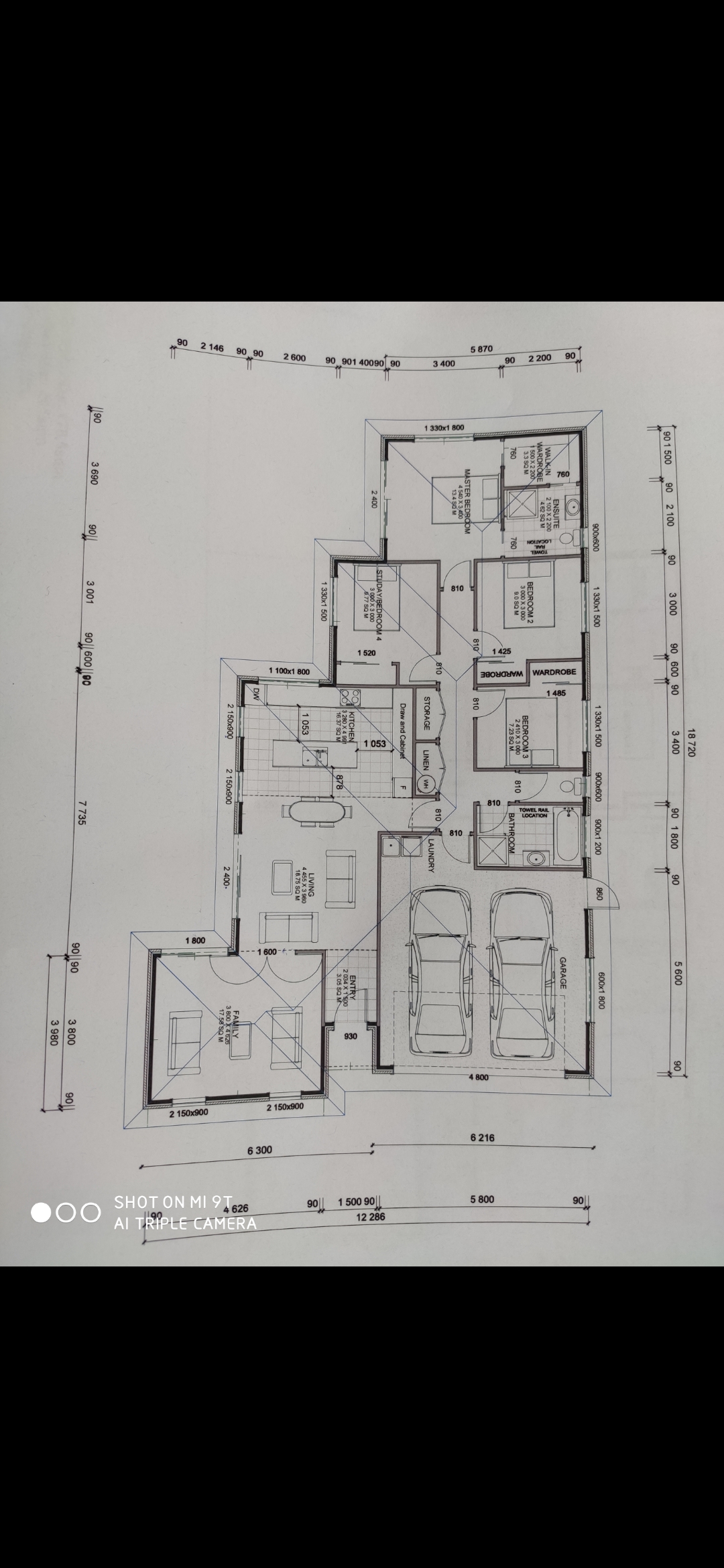

 Trusted