Geekzone: technology news, blogs, forums
Guest
Welcome Guest.
You haven't logged in yet. If you don't have an account you can register now.


BlargHonk

176 posts

Master Geek
+1 received by user: 131


#316109 17-Sep-2024 10:00
Send private message

Our Hot Water Cylinder is 30+ years old and has started to drip. I would really like to free up the cupboard space and move the Cylinder outside. I have spoken to the plumber and he is going to give me a price for a standard electric outdoor cylinder as well as a Rinnai Heat Pump one. He recommended not going for the standard electric as it is likely that the heat losses will be too high in winter. We are located on the Canterbury planes about 30min out of Christchurch. How worried should I be about heat losses from an Outdoor cylinder here? 


I have been digging around on the Rheem and Rinnai websites to try and find if there are min ambient temperatures or heat loss figures but have been unable find anything concrete. No replies from their contact pages yet either. 


I am also not sure about the payback time for a heat-pump HWC with the higher initial cost and 10-15yr lifespan. Especially if I can use a power plan with 3hrs free power on a standard electric cylinder. We currently have Contact with the Good Nights plan (3hrs free power each night). I was wondering what is the best way to use this with a new Hot Water Cylinder? Can you put some kind of timer on the Switchboard? Does the HWC need to be dual element to do this? Any advice would be appreciated. 


Create new topic

This is a filtered page: currently showing replies marked as answers. Click here to see full discussion.

Scott3
4176 posts

Uber Geek
+1 received by user: 2990

Trusted
Lifetime subscriber

  #3283114 17-Sep-2024 12:07
Send private message

What you want is Table A5 of AS/NZS 4692.2:2005. This defines the "MEPS" (Minimum Energy Performance Standards) to sell a hot water cylinder in NZ.

Sadly I am not in an engineering consultancy any more so don't have access. And very frustrating that one needs to pay for standards to understand the law: https://www.legislation.govt.nz/regulation/public/2002/0009/latest/DLM108798.html


Generally losses are 1 kWh - 1.6 kWh per day depending on cylinder size, but I am not sure what ambient temp that is defined at for that test, or if MEPS requires a lower ambient temp for outdoor rated cylinders than indoor rated cylinders.


Suggest that ambient temp is perhaps not a big deal. Lets say the cylinder is set to 64c A cold day in Auckland is +6c (a temperature delta of 58 C), and cold day in canterbury might be -4 C (a temp delta of 68 C). So while losses are greater in the colder location, its only about 17%.

Obviously it is ideal if the waste head from the HWC can warm your linen cupboard (and ultimately leak into your house if you live in a colder location), but that does need to be weighed against the usefulness & value of the cupboard space.


One thing to note about moving the cylinder location, is the plumber will likely run a hot water pipe from the new cylinder location to the old location where they will tie into your houses existing hot water piping. This extra run means you need to wait longer for hot water to turn up at your tap's, which means more wasted water and energy (and is less convenient). It impact depends on the length of additional pipe run.


On heat pump HWC. It will use 1/2 to 1/3 of the power, and you need to estimate if you will pay this off over its ~10 year likely lifespan.


On 3hrs free power each night, given you are buying a new cylinder anyway, the optimal setup would be to get a big (300 or 400L) twin element cylinder. Have the electrician wire the bottom element via a timer that you can set up to start a few minutes into your free power hours (can be on the controlled circuit to make you eligible for cheaper power if you lines company offers that). Top element is wired to 24/7 power.

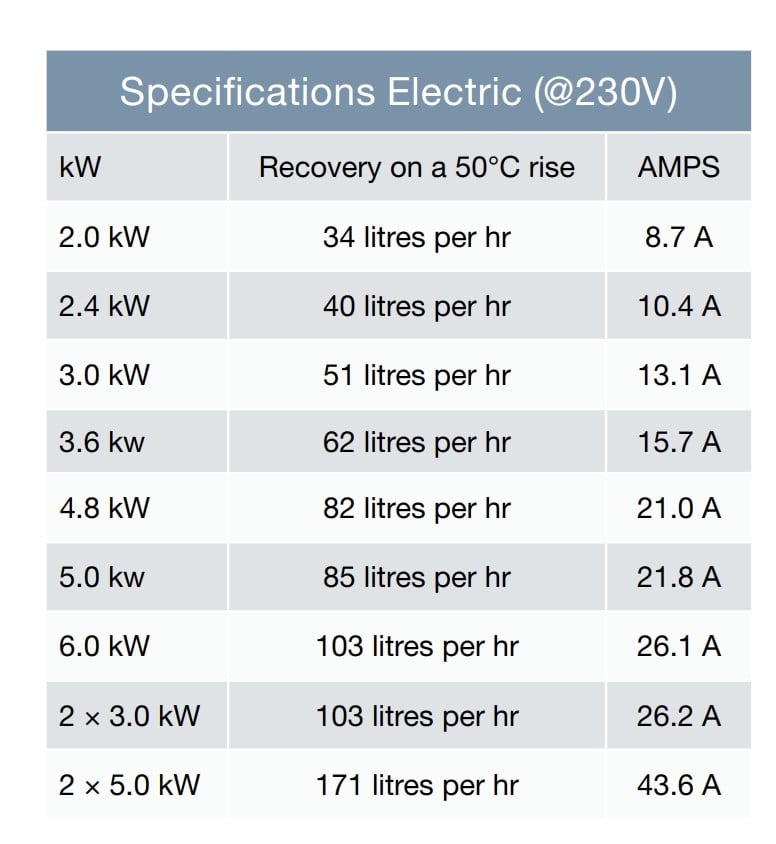
Using the Reheme 492400G8 (400L, twin 4.8kW @ 240v elements) as an example, This means every night your cylinder will be heated so you have 400L of hot water. If you ever drop below 90L hot water remaining the top element will kick in regardless of time and keep the top 90L warm. (leaving 310L cold for the bottom element to heat the next free period). 4.8kW can heat 246L of water @ 50c rise in 3 hours so it won't quite get their, but will be fairly close.


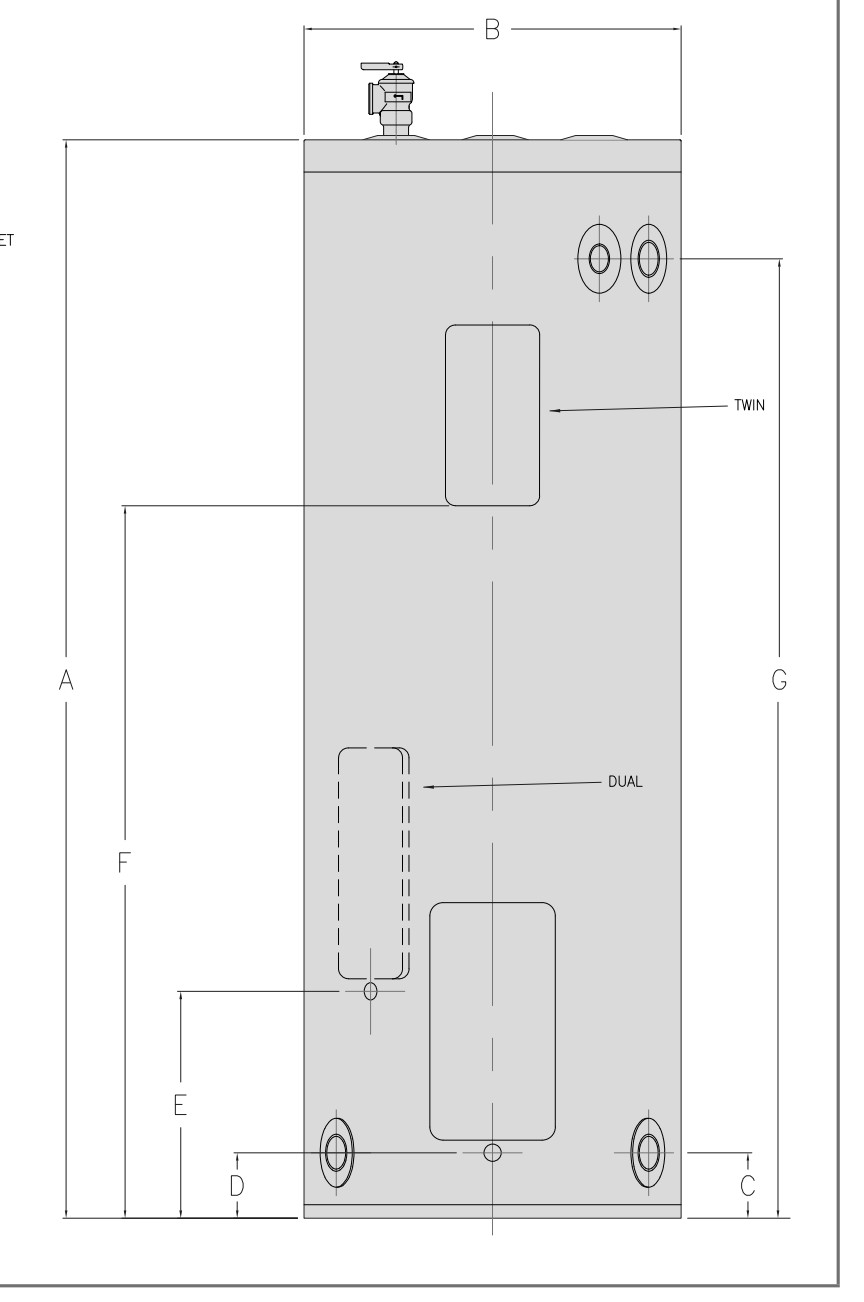
Rheem-Hot-Water-For-Your-Home-Web-Brochure.pdf


Note a typical residual HWC is 3kW, so while 4.8 kW is great for maxing out your free power window, it is a lot of power. Might need to get your electrical capacity checked. My house is only good for ~14kW total.


If you don't want to go twin element, the best bet would be to get a big cylinder and set your timer to start at the beginning of your free power window, and to run for enough hours that you get a full tank of hot water every day, and make it last the day (can turn off the timer if you have guests).

Twin element is great for solar too. Same deal. use a solar diverter or a simple timer so the cylinder heads in peak solar hours, and rely on the boost if that isn't enough.


The above will kill the financials of a hot water heat pump.


Create new topic


Geekzone Live »

Try automatic live updates from Geekzone directly in your browser, without refreshing the page, with Geekzone Live now.


Are you subscribed to our RSS feed? You can download the latest headlines and summaries from our stories directly to your computer or smartphone by using a feed reader.