Trusted

I have created this thread as the EV thread is veering off topic onto a possible repeat Carless days.
As a brief overview of the situation.
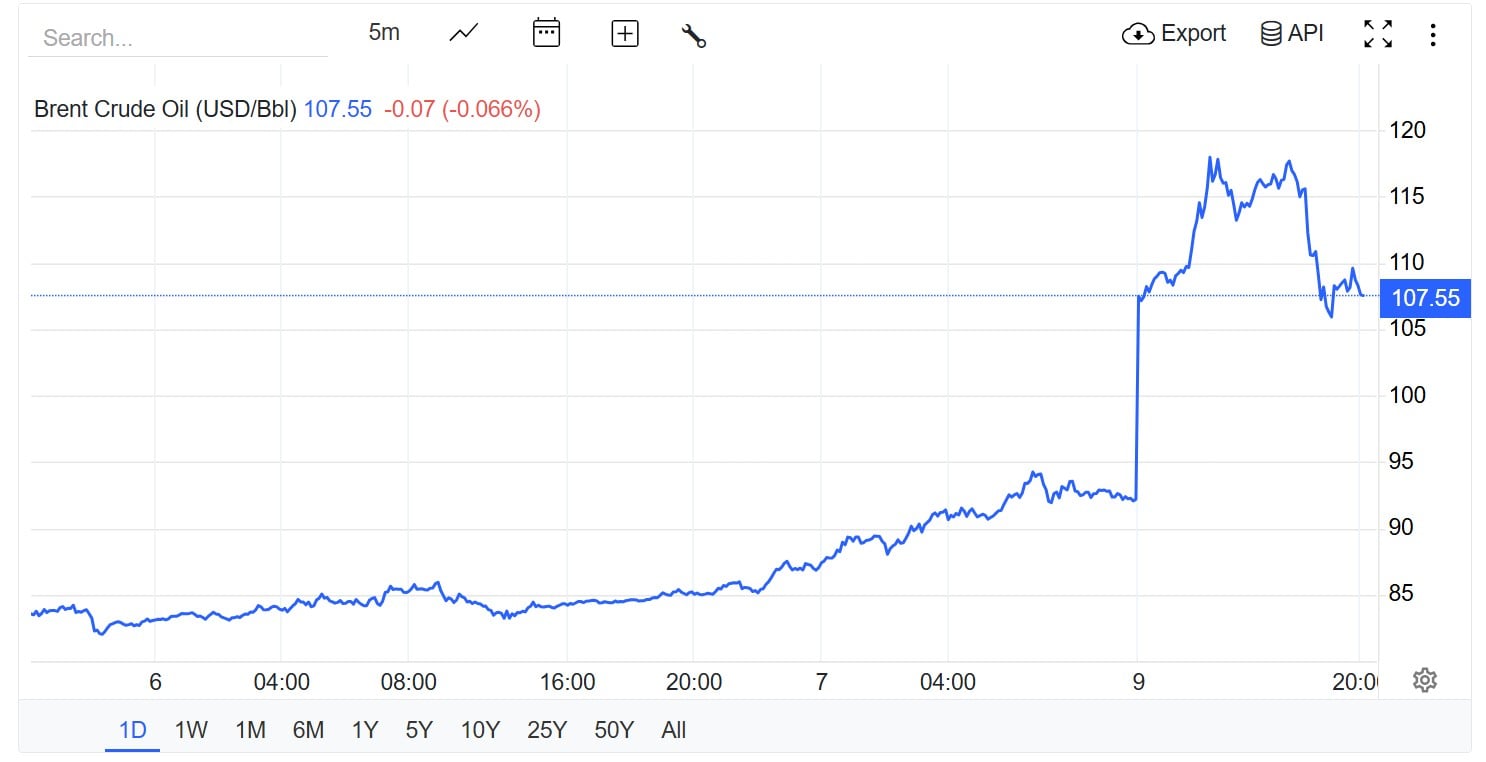
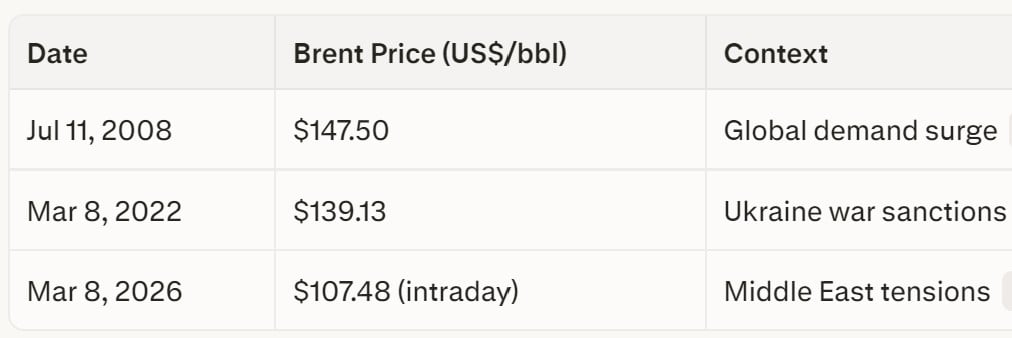
Military action in the Middle East (and resulting effective closure of the Straights of Hormuz), has effectively stopped the flow of oil out the Persian Gulf. This has lead to a spike in oil prices in markets relevant to our part of the world. 98 RON is currently prices at $2.999 / L at BP Newmarket. Prices that haven't been seen since the 2022 Russian Invasion of Ukraine.
Unclear when the the Straights of Hormuz will reopen. USA claims the war has been Won. Iran disagrees. USA is offering reinsurance & naval escorts for tankers willing to pass the straights, seems uptake is not significant.
NZ has a 90 day minimum stockholding obligation, but only a portion of this is required to be held onshore: 28 days petrol, 21 days diesel, 24 days jet fuel. With the combination of onshore & offshore stockholding there should be quite a buffer.
There are reports of queue's at (presumably cheaper) petrol stations, as people rush to beat future price increases. Doesn't seem to be any reports of fuel shortages (or people hording large amounts).
An overview of the situation in Aust:
Currently in Austrailia (and don't have a fuel burning car or boat at the moment, so no direct skin in this game). Situation has got a bit messy. Italics are Austrailia stuff to avoid confusion.
Global supply situation largely the same as NZ.
Onshore reserves (actual not minimum), sat at 36 days petrol, 34 days diesel, 32 days jet fuel, as of the 6th of march. Objectively a bit better than the situation in NZ.
Fuel supply network here is still running at normal capacity, Ships are still en-route etc.
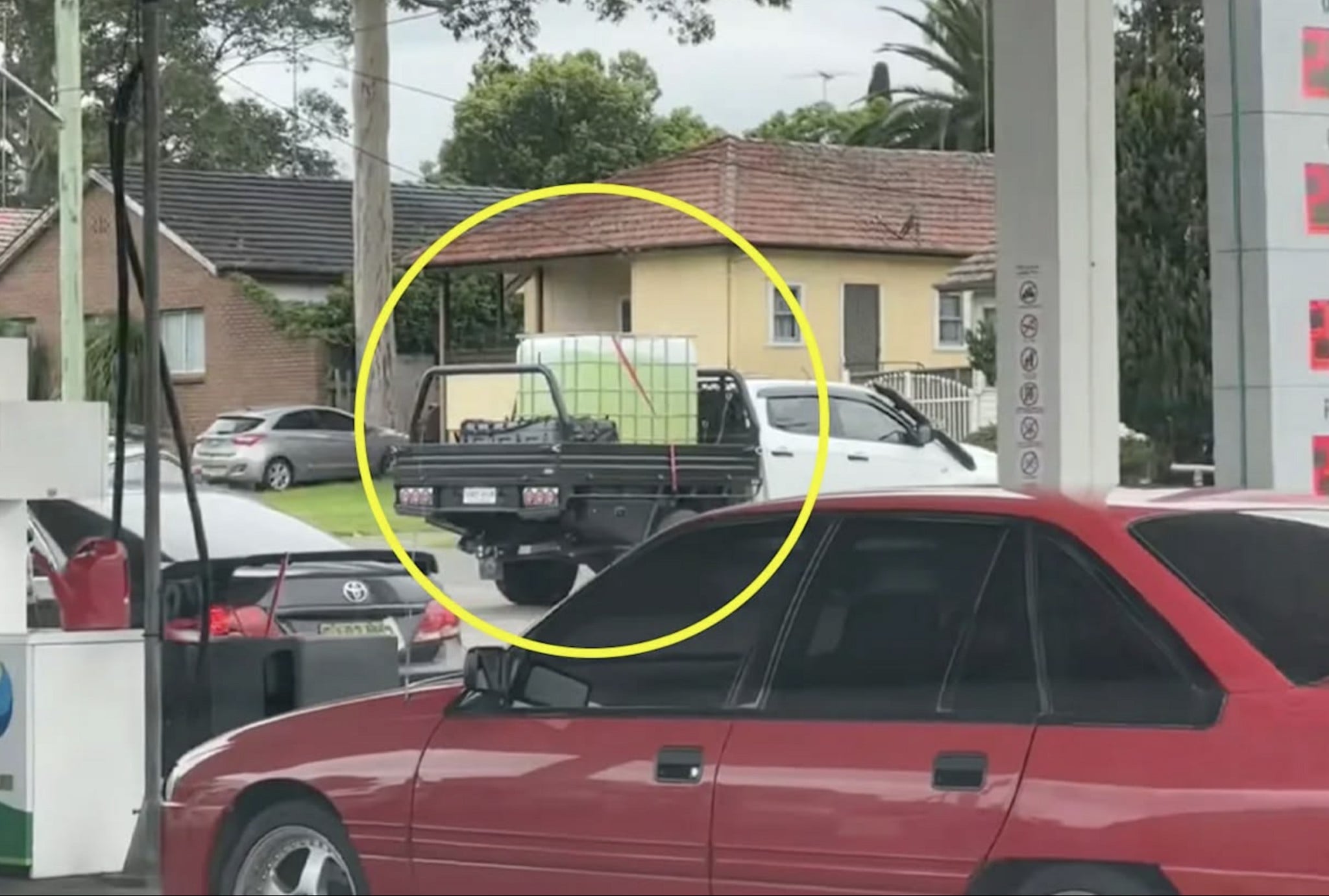
But what I suspect was was started by people trying to get ahead of fuel price increases has spiraled into full blown panic buying.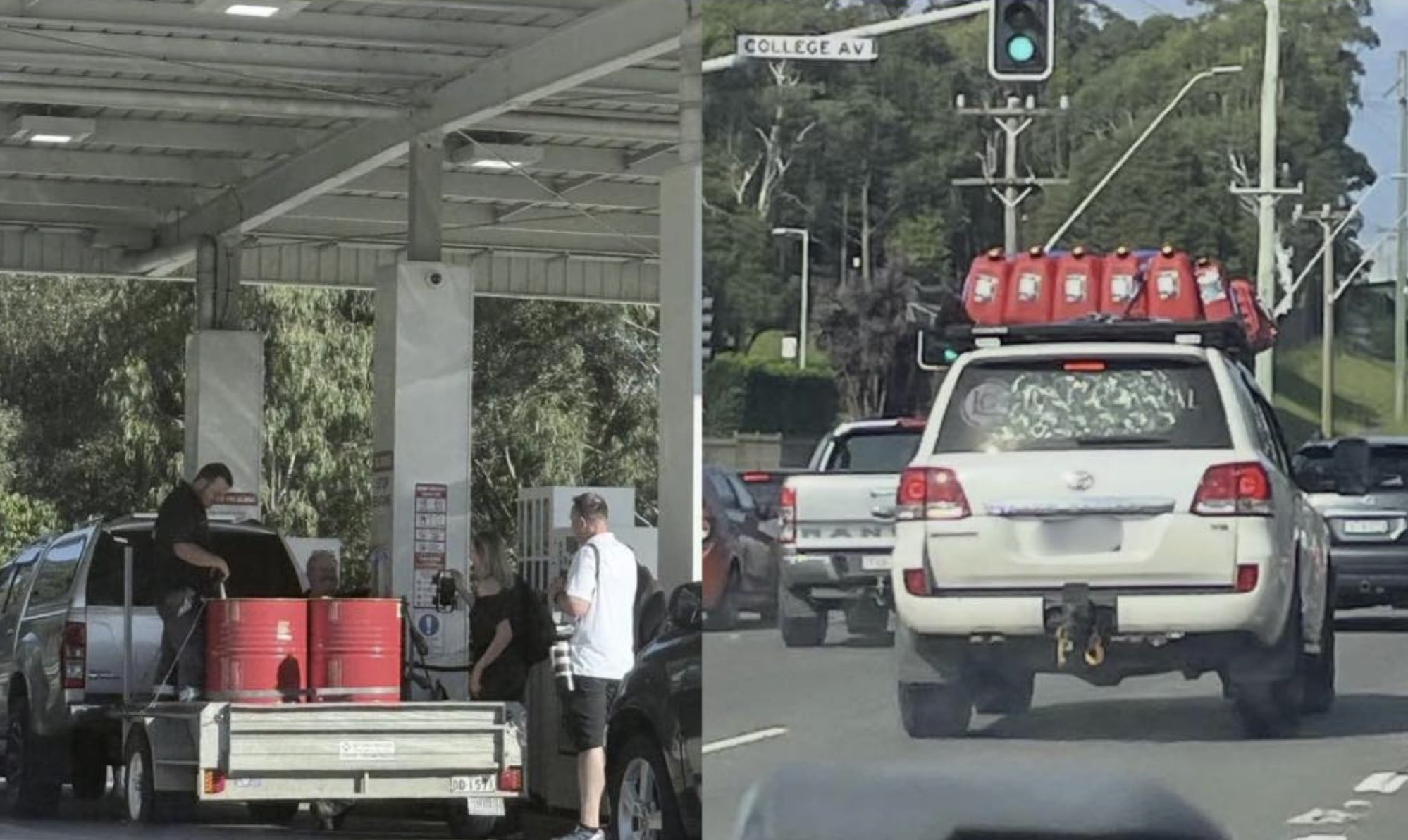
Image illustrative only, Have not verified. And of course impossible to tell if somebody is stockpiling fuel, or just doing their regular monthly fuel run for the farm etc.
But I can verify that supercheap auto is largely sold out of their cheap 20L jerry can (Screenshots are for the red petrol ones, but similar situation for the yellow diesel ones).
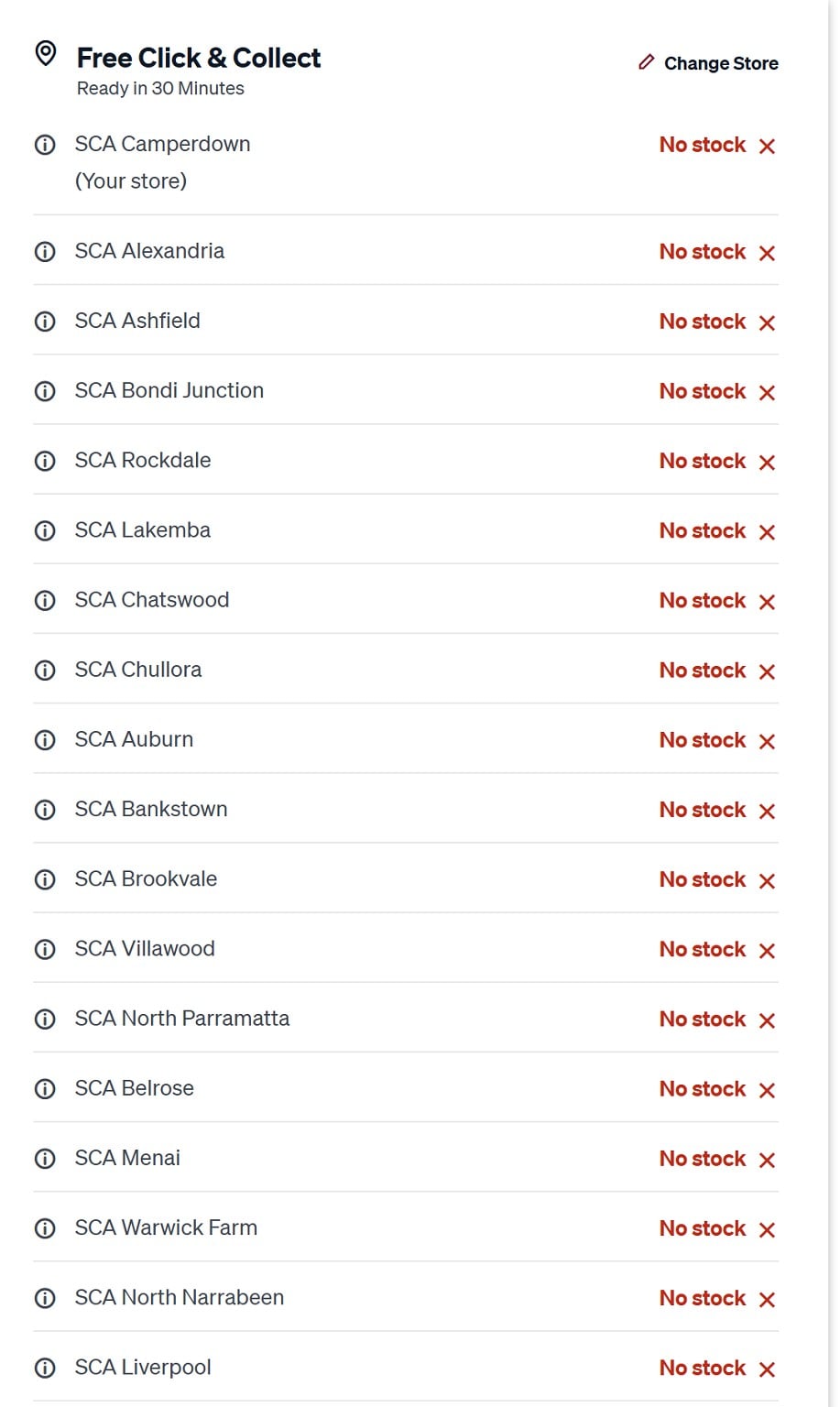
And have relatively little stock of their more expensive proquip plastic one: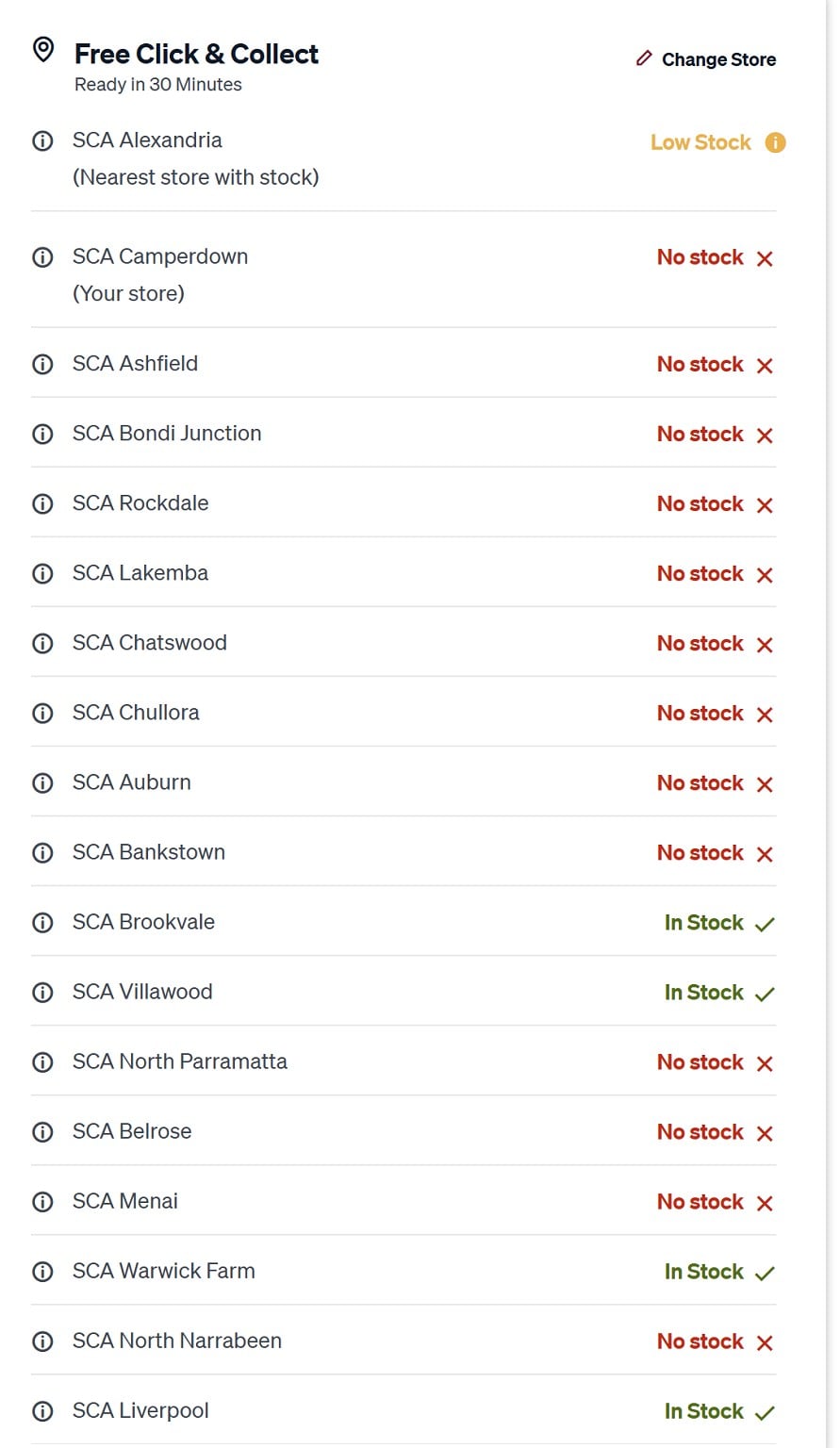
Some stations have started to run out, predominantly in rural / remote area, but below image is for Brisbane: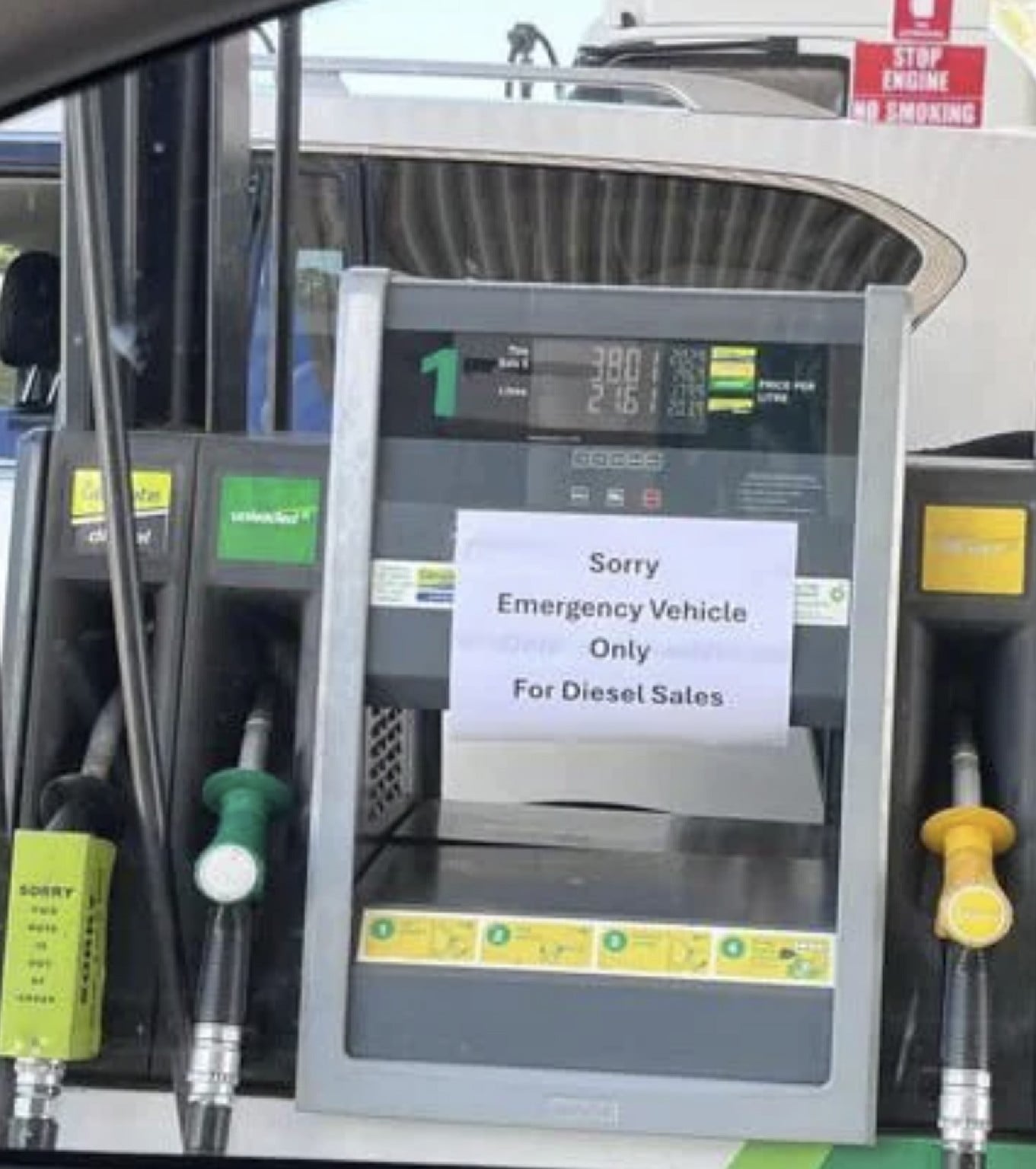
Independent fuel distributors have had their allocation slashed or been cut off from fuel terminals. Consensus is the terminals have heaps of stock, so unclear if this is so the terminals operators can hold back fuel for their own brands, or for commercial reasons (something about Terminals contracted to pay the average price for the entire month when buying, but selling at current prices, leaving them exposed to price hikes later in the month).
Ministers are urgeing people not to panic buy “We’ve still got three billion litres of diesel. We’ve got 1½ billion litres of petrol … there are still ships on the way, so the last thing we need to see is panic buying,” she said.
But statements from impendent fuel distributors are doing the opposite.
"Transwest Fuels, based in Tamworth, services Brisbane, Newcastle and Sydney and employs about 100 staff. It services more than 2000 farmers and agricultural customers across NSW and Queensland.
A Transwest Fuels spokesman told NewsWire that Toowoomba, Newcastle and Tamworth were all affected by the fuel shortages.
“We currently have zero petrol supply at Newcastle or Brisbane,” he said.
“This means that once our servos run out of petrol, that’s it. No more.”"
Should note that Aust is in a bit of a different spot to NZ when it comes to fuel use. Vast majority of Toyota Prado's came with 150L fuel tanks, where in NZ we only got the 80L flat tailgate version. And remote camping is common. Relatively common to see Jerry can holders (usually vacant) on the back of modified SUV's and caravans. Most vehicles need a few Jerry canst to carry enough fuel to cross the Simpson. Few people do it, but for the Caning stock route, carrying 400+ L of fuel is typical.
-----------
I welcome discussion on both the impact of fuel prices & managing any shortages.
Just to clear a few things up:
The refinery conversion to an import terminal: The refinery was set up to run on imported crude. Given the major risk is a shortage of crude, not refining capacity, having it still refining would not help.
Carless days: Not great policy. Big drama, but only saved 3 - 3.6% of fuel.


 ID Verified