SaltyNZ:NZ's emissions are heavily dominated by farming and the energy sectors which inturn are dominated by methane and transportation respectively so yes an effective (ETS) taxation introduction would have a huge economic impact. Also those two industry sectors have strong lobbying power so plenty of blowback to be dealt with if taxed too heavily quite apart from cost of living issues for the wider society.
HarmLessSolutions:
The CCD applied to both NZ new vehicles and secondhand imports. Was that not also the case for the 'ute tax' being payable for both new and secondhand imports?
ETA: I suspect that I've misinterpreted your point with "new" vehicles. Yes I agree that taxing the fuel itself is the best way to limit use of it, in the same way the taxation of tobacco has reduced smoking prevalence.
Ditto; taxing the fuel more is the best way to deal with it. But the commission notes that in order for the ETS alone to have a meaningful impact, the price would need to be so high it would cripple the economy. Hence why money collected was being used to provide targeted grants to decarbonise major sources. I agree that ideally, the Glenbrook steel mill would've bought its own advanced electric furnace. But I'd rather my tax dollars be spent helping to ensure the planet remains a safe place to live than give tax cuts to people who already own more houses than they can live in.
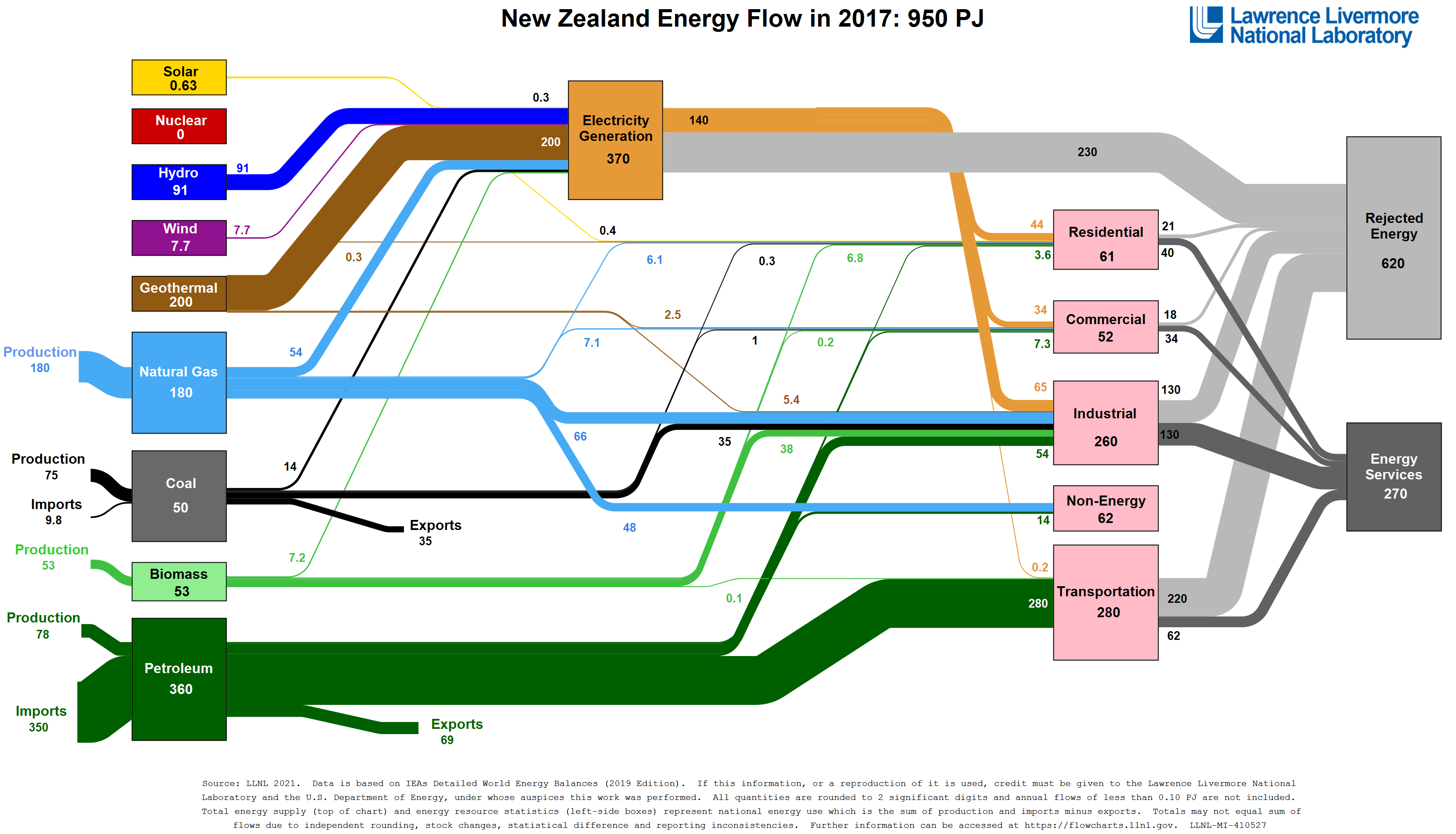
Also worth evaluating the data from the flow charts that Lawrence Livermore produce. In particular the proportion of "Rejected Energy" which is essentially wasted as heat in the case of transportation and thermal electricity generation. The energy efficiency of EVs vs ICEVs is pretty stark in this regard, particularly with our high proportion of renewable electricity generation.


 Trusted


 2degrees


 ID Verified