Geekzone: technology news, blogs, forums
Guest
Welcome Guest.
You haven't logged in yet. If you don't have an account you can register now.


View this topic in a long page with up to 500 replies per page Create new topic
1 | 2 | 3 | 4 | 5 
kiwifidget

"Cookie"
3641 posts

Uber Geek
+1 received by user: 1969

Lifetime subscriber

  #2922772 4-Jun-2022 17:54
Send private message

The iso doesnt get a drive letter until you mount it. Then you can run the program.


Just wondering if there is a way to do it all in one step.


Also not sure about the issue of not always getting the same drive letter each time.


Delete cookies?! Are you insane?!


ANglEAUT
altered-ego
2436 posts

Uber Geek
+1 received by user: 842

Trusted
Lifetime subscriber

  #2922794 4-Jun-2022 20:32
Send private message

Others have also asked the same question. AFAIK, there is nothing out of the box that will mount the ISO & launch the program.


  1. As an option, you could write a small batch or PowerShell script that will mount the ISO & launch the program.


    1. Seems like PowerISO has a Command line tool available.
    2. How to mount ISO image with PowerShell - WindowsCentral


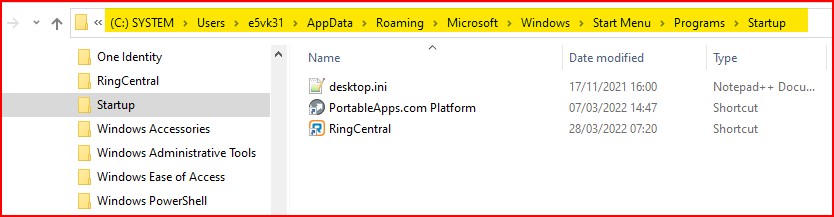
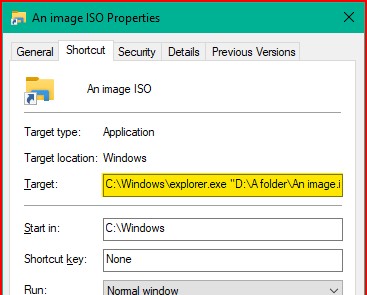
  2. Or you can create Shortcut's in the start up folder that will "auto" mount the ISO on 1st login


    1. See here: https://superuser.com/a/1581342
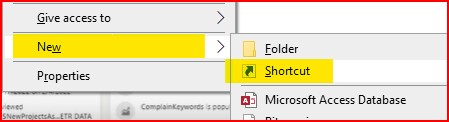
    2. In the "Startup" folder of the Start Menu, create new shortcuts


    3. Depending on how many ISO's you have, you'll have a bunch of additional File Explorer windows on 1st login
    4. That means the drives are always available until somebody right clicks the drive to "eject" it


As to always getting the same drive letter


  1. I previously used Daemon Tools & seem to remember that you could launch it on login & auto mount the drive. That means the drives are always available until somebody right clicks the drive to "eject" it
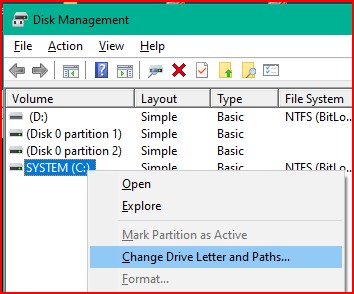
  2. By default, Windows will auto assign the next available drive letter for USB & external drives whilst network drives start from Z: & work their way backward. I have found tht is you use Disk Manager to manually assign / change the drive letter, the system will stick to that drive letter as long as it's available. First change it to something random & then change it to the drive letter you want to keep. If it's only 1 or 2 ISO's that you want to manage, then consider using drive letter A: & B:. They never get used anymore & will cause the least amount of conflict nowadays.


Please keep this GZ community vibrant by contributing in a constructive & respectful manner.


kiwifidget

"Cookie"
3641 posts

Uber Geek
+1 received by user: 1969

Lifetime subscriber

  #2923319 6-Jun-2022 19:41
Send private message

Yep, that whole iso mounting thing got too hard.


Desktop shortcuts and instructions should take care of most of it.


She's all back together and ready for return to the library.


Was a lot easier to put back together.


Thanks everyone for your help.


Delete cookies?! Are you insane?!


1 | 2 | 3 | 4 | 5 
View this topic in a long page with up to 500 replies per page Create new topic


Geekzone Live »

Try automatic live updates from Geekzone directly in your browser, without refreshing the page, with Geekzone Live now.


Are you subscribed to our RSS feed? You can download the latest headlines and summaries from our stories directly to your computer or smartphone by using a feed reader.